
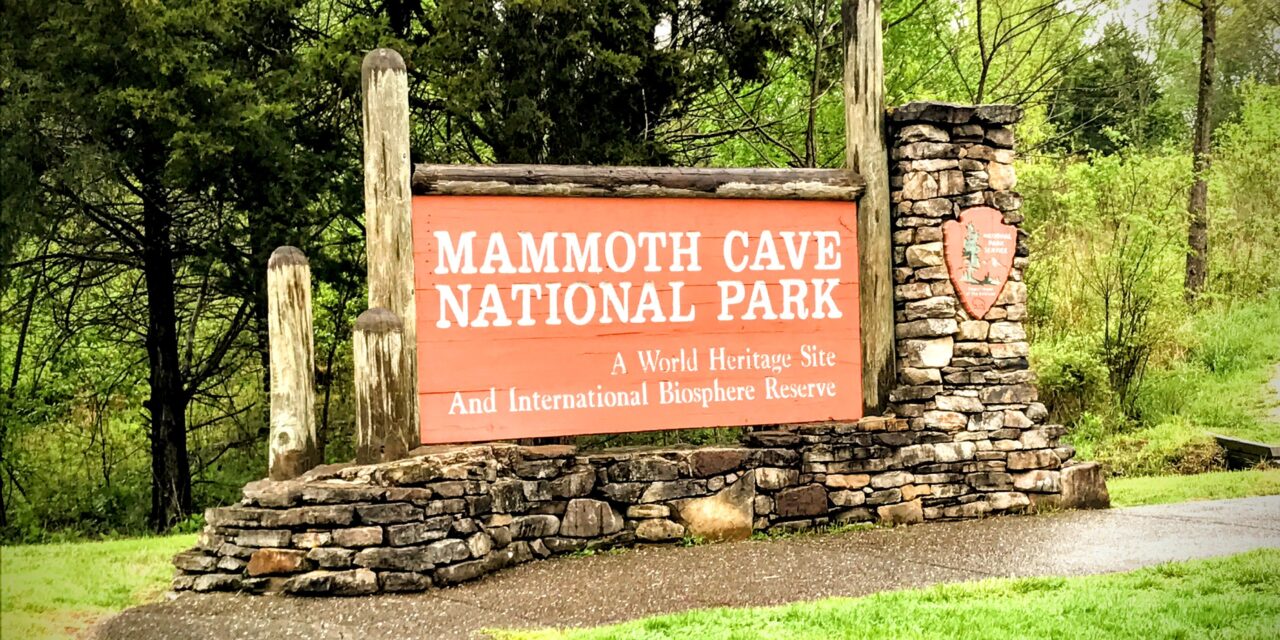
A bill that could slightly expand Mammoth Cave National Park is moving forward in Congress.
Last week, the House Natural Resources Subcommittee on Federal Lands held a legislative hearing on the Mammoth Cave National Park Boundary Adjustment Act. The bill would allow the park to acquire 551.14 acres from The Nature Conservancy in Edmonson and Barren counties. It has not become law yet, but the hearing is another step in the process.
For travelers, this is the kind of public lands story that may sound small at first, but it can have a lasting impact. Boundary changes like this can help protect important habitat, preserve historic resources, and shape how visitors experience a park in the years ahead.
Want more Mammoth Cave background? We covered our trip to the park back in 2017 on Episode 12 of the RV Miles podcast, including what we did, what you can expect at Mammoth Cave, where we stayed and what to do around the park.
A small expansion with bigger implications
Supporters of the bill say the land would add more than acreage on a map. The proposed tract sits within the Green River watershed and includes cave resources, wildlife habitat, and historically significant areas tied to early saltpeter mining and later exploration. Backers say adding it to the park would strengthen conservation efforts while helping protect part of the larger Mammoth Cave landscape.
That matters at Mammoth Cave, where what happens above ground and below ground is closely connected.
The National Park Service says Mammoth Cave protects the world’s longest known cave system, along with a rich mix of natural and cultural history. It’s also one of Kentucky’s most important tourism destinations.
Why local leaders support it
During the hearing, local officials emphasized that Mammoth Cave is more than a national park. It is also a major part of the regional economy.
According to the National Park Service, 747,042 visitors came to Mammoth Cave in 2024 and spent $73.238 million in nearby communities, supporting local jobs and businesses. For rural counties around the park, that kind of visitor spending matters.
Supporters of the bill also note that the land is already owned by The Nature Conservancy and protected by a conservation easement, so the proposal would not involve additional private landowners.
What happens next
The bill still has a long way to go before anything changes on the ground. A legislative hearing is only one step, and Congress would still need to approve the measure before Mammoth Cave could acquire the land.
Still, for anyone who cares about national parks, conservation, and the future of public lands, this is one to watch. Even a modest boundary adjustment can help protect the resources that make a place like Mammoth Cave worth visiting in the first place.









Leave a Reply
You must be logged in to post a comment.