Full-time RVing myths can make life on the road seem easier—or harder—than it really is. We spent 7 years full-time on the road, documenting our experience on the RV Miles Podcast, so we’ve had plenty of time to reflect on what it truly means to live this lifestyle.
If you’re wondering what full-time RV life is really like, you’re not alone. Many people researching RV living want to understand the pros and cons before making the leap—and separating myths from reality is the best place to start.
Here are nine full-time RVing myths—and the realities behind them.
Spoiler: the myth and the reality aren’t the same.
Want to here us talk about these 9 myths below and our own personal experiences with them? We go through this whole list on episode 292 of the podcast.
Myth: Full-Time RVing Is Like Being on a Perpetual Vacation
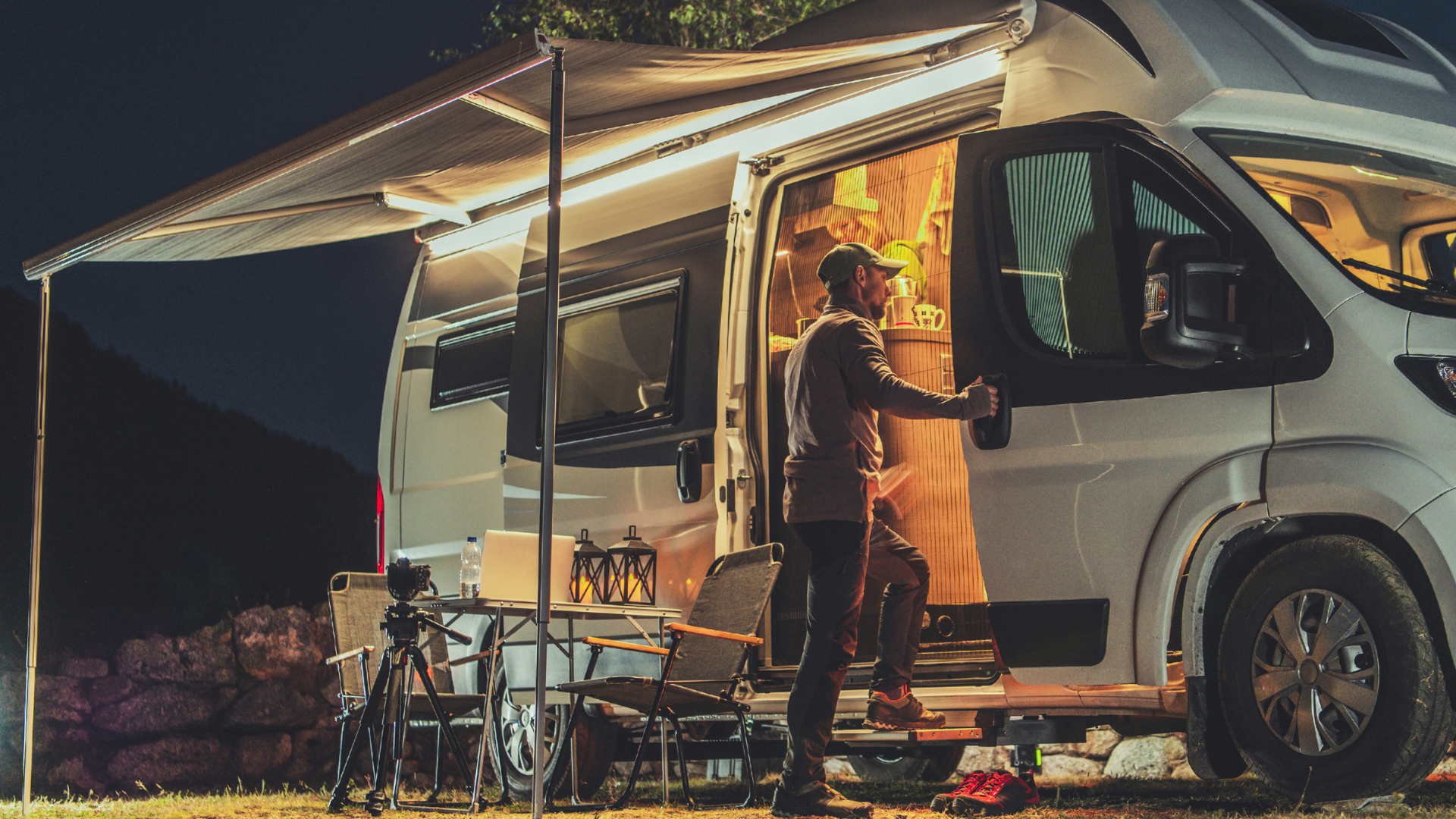
Reality: While full-time RVing does offer the opportunity to visit many places, it also comes with responsibilities like work or school, maintenance, planning, and budgeting. It’s a lifestyle choice with its own set of challenges, and not every moment will be spent basking in the outdoors or heading out on an epic adventure.
Myth: Living in an RV Is Always Cheaper
This is one of the biggest full-time RV myths.
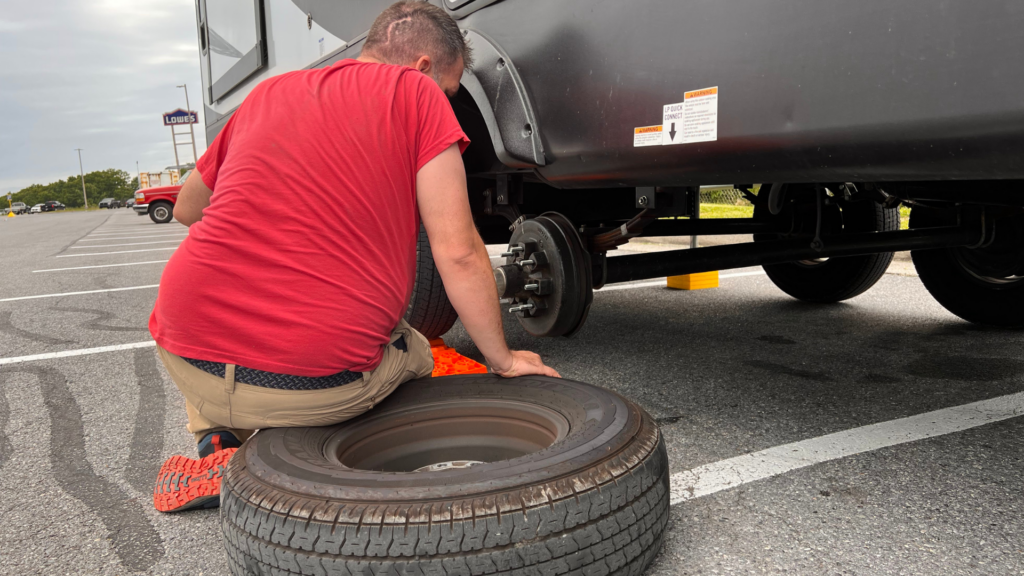
Reality: The cost of RV living can vary widely depending on fuel prices, campground fees, maintenance costs, and the type of RV you own—especially if you’ve taken out a loan on your RV or tow vehicle.
It can sometimes be just as expensive—or more expensive—than living in a traditional home. New RVs can range from around $25,000 to well into six figures, and the used market has remained elevated in recent years. There’s a lot to consider financially, and the reality is that RVing isn’t always a drastically cheaper alternative.
If you’re trying to plan ahead, check out our guide to RV cost of living for a deeper breakdown of what to expect financially.
Myth: It’s Easy to Find Remote Work and Stay Connected
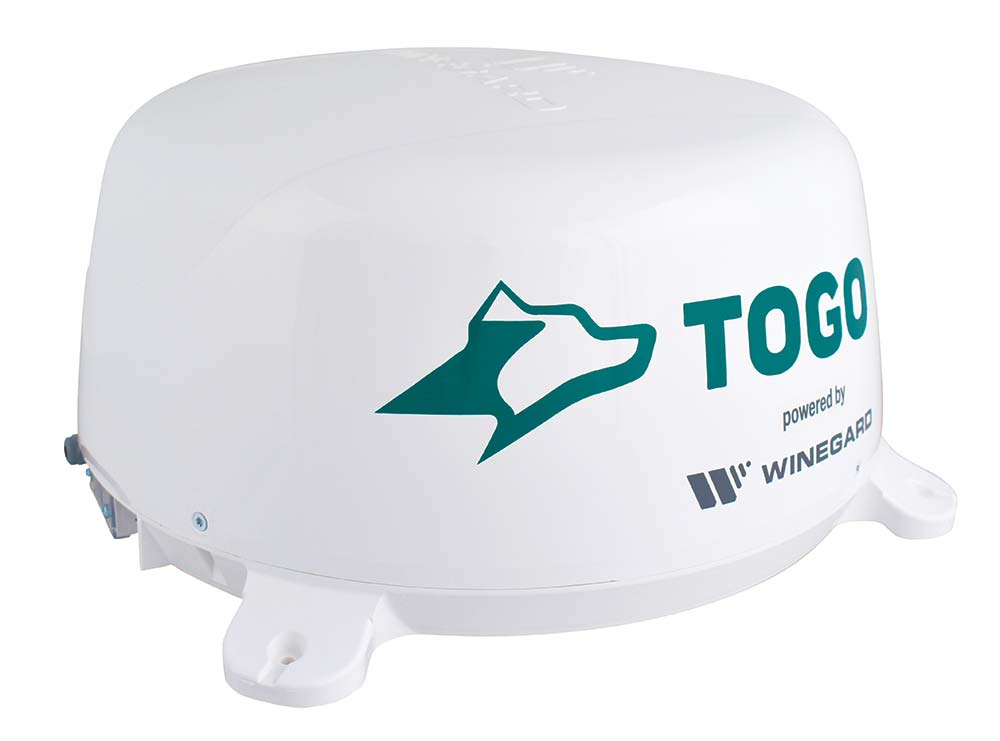
Reality: While remote work opportunities have expanded, reliable internet can still be a challenge in rural or remote areas. Services like Starlink have improved connectivity for many RVers, but they come with additional costs and setup considerations.
Some employers also have restrictions on where you can work or require a hardwired connection. If your current job offers remote work, it’s important to understand exactly what “remote” means.
If you’re looking to find remote work from the road, we’ve got 30 ideas to help inspire you.
Myth: Full-Time RVing Is a Lonely and Isolated Way to Live
Reality: The RV community is vast and welcoming, and many full-time RVers form strong connections with fellow travelers. Organizations like the Escapees and Xscapers or the FRVA can help build connections. Events like our annual Homecoming Rally can be a great place to meet people you have something in common with in a smaller group setting. Our Mile Marker community also hosts online events like a book club, Fantasy Football, live streams, and a private Facebook group. All ways to help build community and friendships without the pressure of being required to participate. You can do as much or as little as you want.
Myth: You Can Always Travel to Places With Perfect Weather
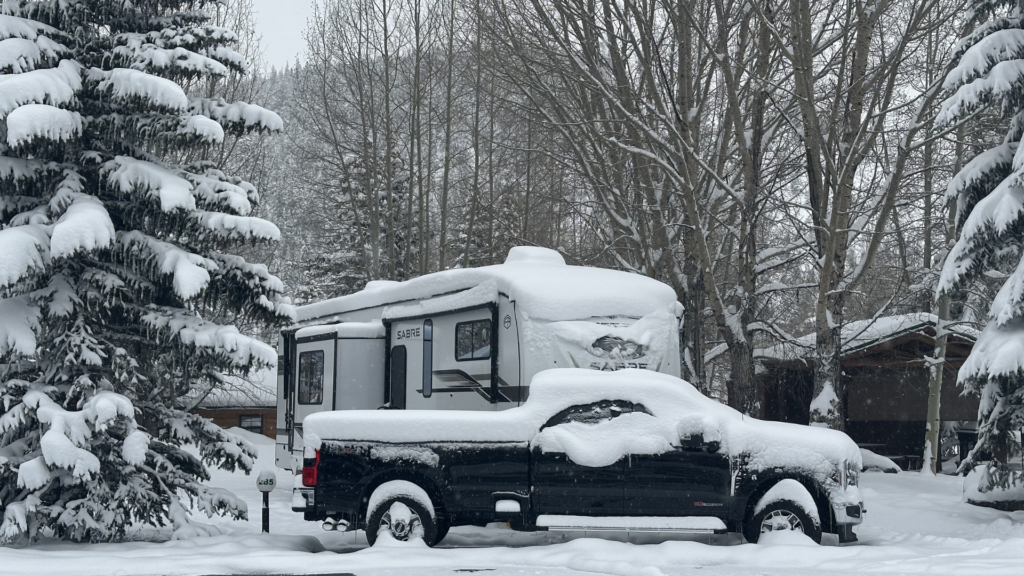
Reality: Weather is unpredictable. You’ll likely encounter extreme heat, cold, wind, or storms depending on where you travel and when.
“Chasing 70 degrees” is a popular idea, but it’s difficult to pull off year-round and can get expensive as campground rates rise during peak seasons.
Myth: Domicile Is Simple—You Can Just Get a UPS Address
Reality: It’s getting more complicated. Establishing a legal domicile requires more than just a mailing address. Most full-time RVers rely on established mail-forwarding services like Escapees, which offer legal domicile options in certain states.
State requirements, voting registration, insurance, and residency laws all play a role, so it’s important to research carefully before choosing a domicile state.
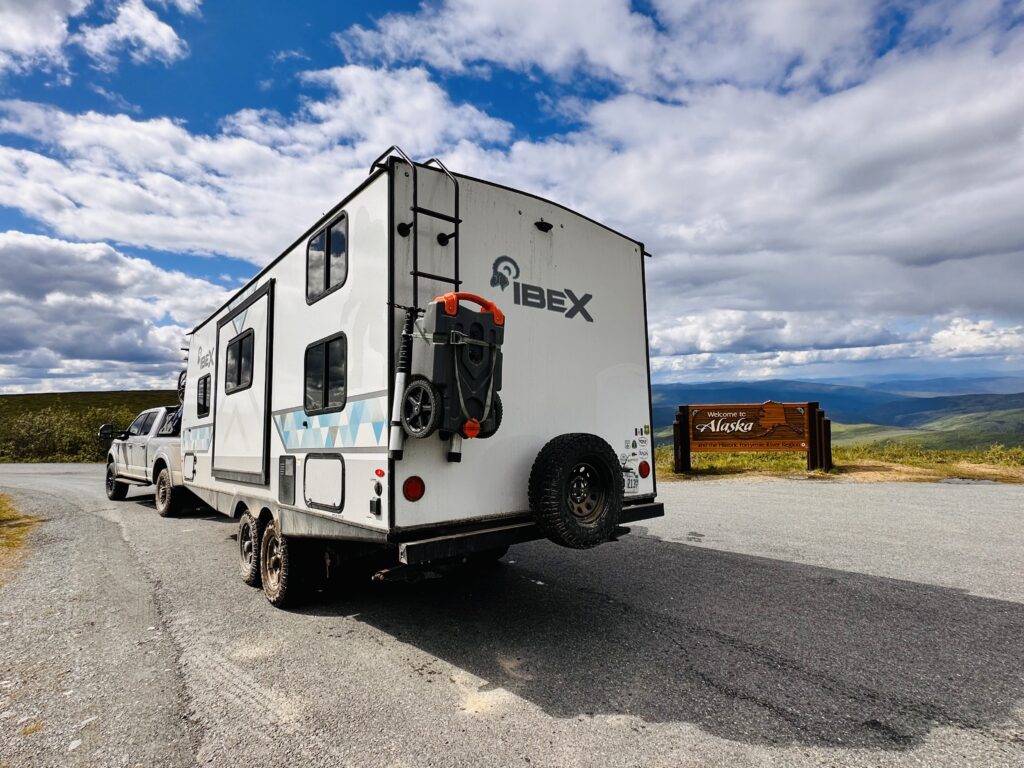
Myth: It’s Too Hard to Get a Campsite
Reality: In many ways, it’s actually easier as a full-timer because you have flexibility. Over the years, we’ve often chosen our next destination based on availability.
If you’re willing to be flexible with location and timing, you can usually find a place to stay. However, popular destinations during peak seasons still require planning ahead and staying on top of booking windows.
Myth: It Will Solve All Your Problems
Reality: Life is still life—you can’t run away from it. Your family dynamics won’t magically change, and your habits won’t automatically improve.
In fact, both good and bad habits tend to be amplified on the road. This is a deliberate lifestyle, and you have to make deliberate choices. It can offer incredible opportunities for growth, but only if you’re willing to put in the work.
The difference between full-time RVing myths and reality often comes down to expectations versus day-to-day life.
Myth: You’re Stuck With It If You Start
Reality: You’re not locked into this lifestyle. You can rent an apartment, stay in a long-term campsite, or shift your travel style at any time.
After seven years, we decided it was time to take a break—and that’s okay. If full-time RVing isn’t right for you, that’s not failure. It’s simply part of figuring out what works for your life.
Full-time RVing can be an incredible experience. We wouldn’t trade those seven years for anything. But understanding full-time RVing myths and the reality behind them can help you decide if this lifestyle is truly right for you.