
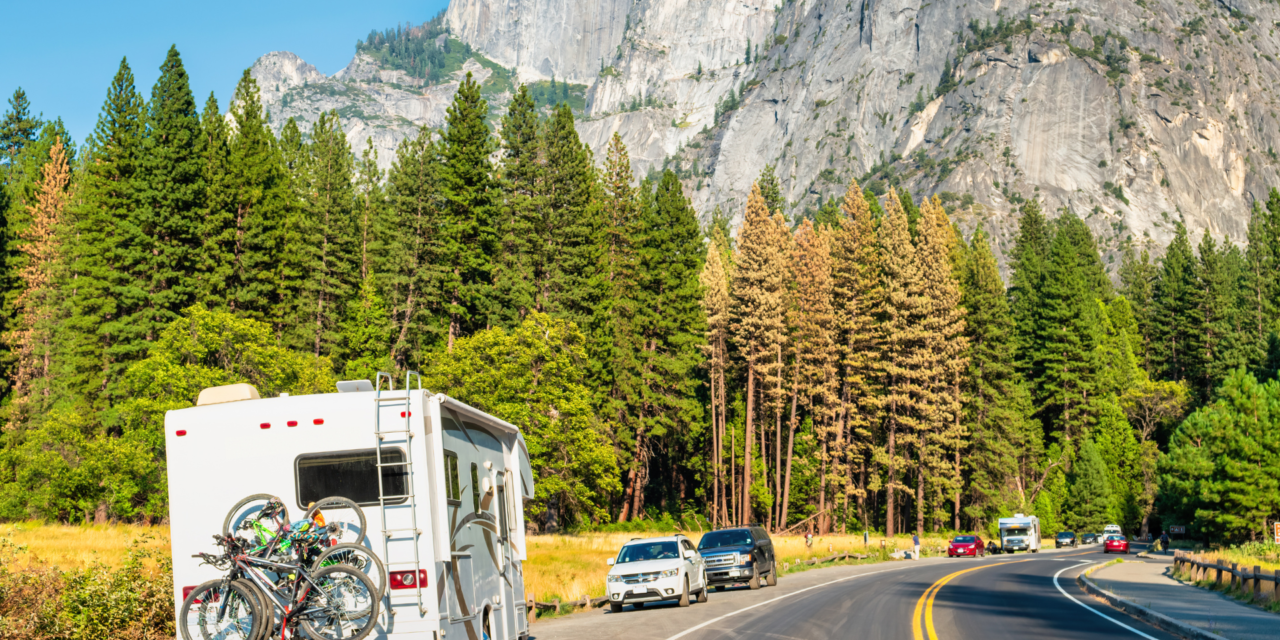
Visiting National Parks in summer is one of the most rewarding travel experiences you can have. Wildflowers are blooming. Scenic drives are wide open. The hiking trails are alive with color.
And yes — the parks are crowded.
If you’re planning a summer trip to Yosemite, Yellowstone, Rocky Mountain, Glacier, or the Great Smoky Mountains, you’ll need more than just a sense of adventure. You’ll need a plan.
Here’s how we approach visiting National Parks in summer — especially during peak season.
Set Realistic Expectations for Summer Crowds
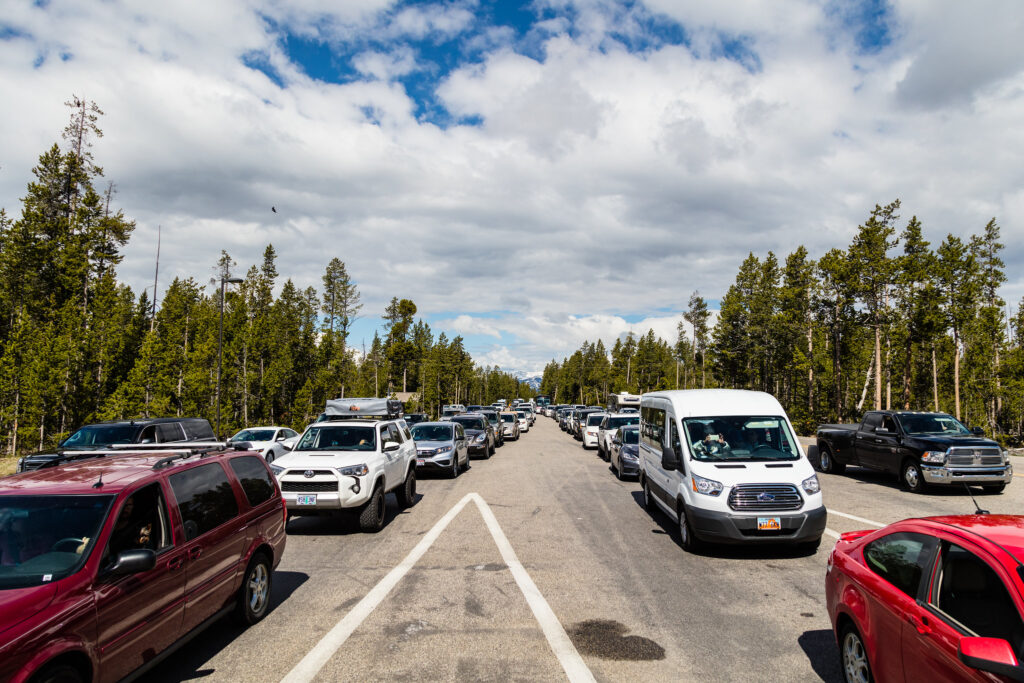
First things first: if you’re visiting a popular National Park in summer, you will encounter crowds.
You might sit in a bison traffic jam in Yellowstone.
You may watch Old Faithful from the back of the boardwalk.
You probably won’t get the closest parking spot at the trailhead.
And that’s okay.
More people are discovering the joy of public lands — just like you. When you expect some delays and shared viewpoints, you’ll enjoy the experience far more.
Instead of chasing the “perfect” postcard moment, look for smaller adventures. Take the lesser-known trail. Explore a quiet pull-off. Slow down.
That’s where the magic usually happens.
Make Reservations Before Visiting National Parks in Summer
Summer travel now requires advance planning. Many parks use timed entry systems and lotteries to manage record visitation.
These policies protect the land and make your visit safer.
Timed Entry Reservations
Several parks require timed entry during peak hours.
For example:
- Glacier National Park requires reservations for Going-to-the-Sun Road.
- Zion National Park uses a lottery system for Angel’s Landing.
- Rocky Mountain National Park has timed vehicle entry permits.
- Great Smoky Mountains National Park now requires paid parking tags.
Before visiting any National Park in summer, check Recreation.gov for current reservation requirements.
If you miss advance booking, don’t panic. Many parks release a limited number of day-of permits, but you’ll need to log in early — and be ready.
Another strategy? Enter the park before 6 AM or after 4 PM. In many cases, timed entry restrictions lift outside peak hours.
Early mornings and evenings also happen to be the most beautiful times in the park.
Reserve Campgrounds Early (Very Early)
If you’re RVing or camping, this is critical, especially if you plan to visit one of these parks.
Many campgrounds that used to be first-come, first-served now require reservations. And popular campgrounds fill within minutes of booking windows opening.
If you want a site at places like Watchman Campground in Zion, know the booking release date ahead of time. Set a reminder. Be logged in. Refresh.
Most public land campgrounds are booked through Recreation.gov. Create your account ahead of time and study the campground map. Make sure the site fits your RV length or camping setup.
Pro tip: Download the Recreation.gov app. Plans change on the road, and cancellations do happen.
Having a Plan A, Plan B, and maybe even a Plan C makes visiting National Parks in summer much less stressful.
Read the “Need to Know” Section
This step is easy to skip — but don’t.
If you’re staying in a National Park campground, the “Need to Know” section on Recreation.gov tells you:
- Whether your site has electric or water hookups
- If bear boxes are provided
- Site length limits
- Quiet hours
- Dump station availability
Knowing this information before you arrive prevents those frustrating “we should have known that” moments.
Think Beyond the Big-Name National Parks
There are more than 420 National Park Service sites — and hundreds of National Forests.
If your goal is to spend time in the mountains, near waterfalls, or under big western skies, you have options.
Many National Parks are surrounded by National Forest land that offers:
- Scenic drives
- Waterfall hikes
- Spacious campgrounds
- Far fewer crowds
Some of our favorite summer adventures didn’t happen inside a marquee National Park. They happened just outside the boundary, and we have dozens of episodes of the RV Miles Podcast covering our big and small adventures in National Parks all across the country.
If you’re flexible, visiting National Parks in summer can include exploring the public lands around them too.
How to Avoid Crowds When Visiting National Parks in Summer
Even in peak season, you can still find quiet.
Here’s what works for us.
Stay in the Park After Dinner Time
Most visitors leave between 4 PM and 6 PM.
That’s when we stay.
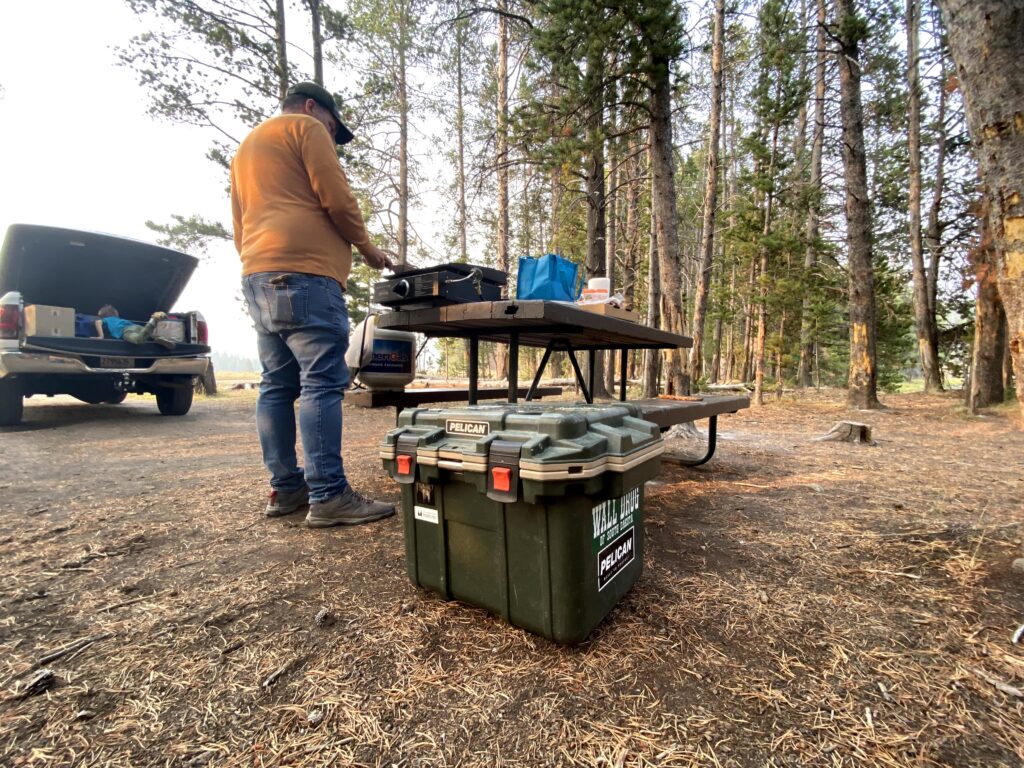
Pack dinner in a cooler. Eat at a picnic area. Watch how quickly the parking lots empty.
Golden hour in a National Park is hard to beat. Wildlife becomes more active. Temperatures cool down. The light turns soft and dramatic.
We’ve driven Cades Cove near sunset without traffic. We’ve visited Yellowstone’s busiest geothermal areas with barely anyone around — just by waiting an hour.
Patience pays off.
Choose Alternatives to the Main Attraction
Every park has “the” spot everyone wants to see.
But there’s always more.
Instead of Cades Cove at noon, try Roaring Fork Motor Nature Trail.
If Angel’s Landing permits are gone, explore one of Zion’s many other canyon hikes.
If a famous overlook is packed, ask a ranger for a quieter viewpoint.
Rangers are an incredible resource. They know where the crowds aren’t.
When visiting National Parks in summer, flexibility makes all the difference.
Explore Nearby National Forests
National Forests are often less regulated and less crowded than neighboring parks.
While visiting Yosemite, we hiked Carlon Falls in Stanislaus National Forest. The waterfall was stunning — and we had the trail nearly to ourselves.
The views don’t stop at the park boundary.
Sometimes the best experience is just outside it.
If You Can’t Make the Trip, Cancel Your Reservations
Life happens.
If you can’t make your National Park reservation, cancel it as soon as possible. Whether it’s a campground, timed entry permit, or tour, releasing it allows another traveler to use it.
It’s a simple courtesy that helps everyone.
Final Thoughts on Visiting National Parks in Summer
Yes, visiting National Parks in summer requires more planning than it did 10 years ago.
Yes, you may have to wake up earlier than you want.
And yes, you’ll probably share that iconic viewpoint with a few hundred of your closest friends.
But summer also brings:
- Full trail access
- Wildflowers at higher elevations
- Snow-free scenic drives
- Longer daylight hours
- Ranger programs and full services
There’s a reason summer is peak season.
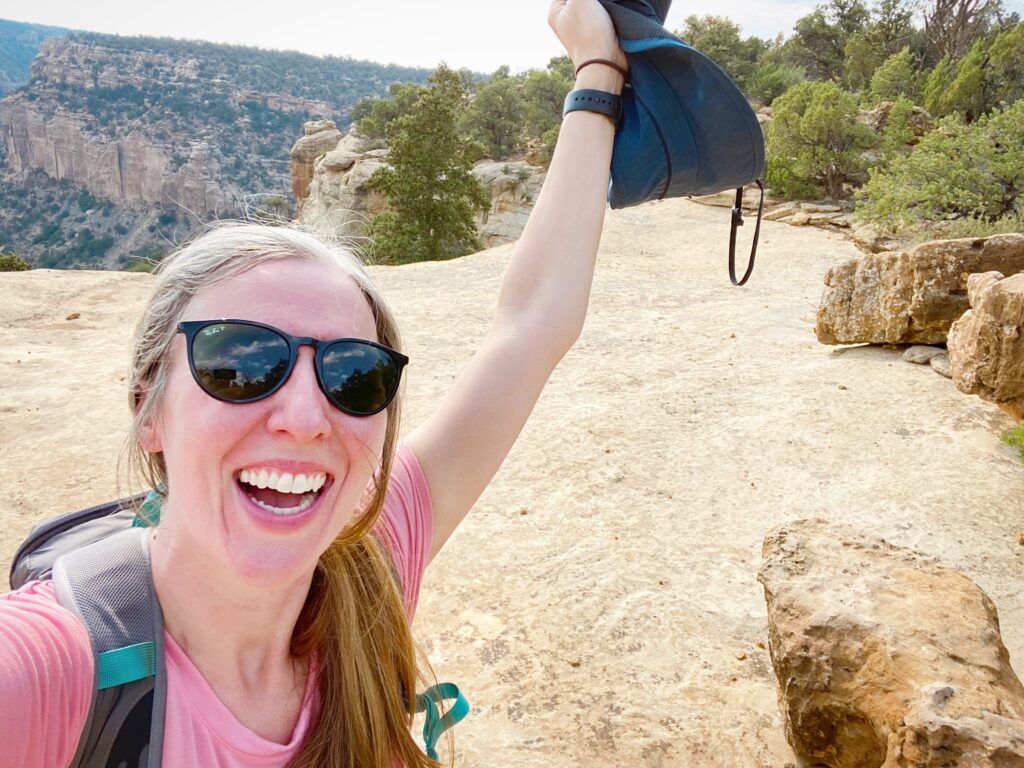
When you plan ahead, stay flexible, and adjust your expectations, you can still find those quiet, unforgettable moments.
We’ve had them — even in July.
Planning a trip to a National Park to celebrate National Park Week? Check out our article on tips for navigating crowded national parks.







Leave a Reply
You must be logged in to post a comment.