
Legislation that could reshape the future of the Boundary Waters Canoe Area Wilderness is moving through Congress again.
A resolution already passed by the House would overturn federal protections that block new mineral leasing on roughly 225,000 acres of Superior National Forest land in the Boundary Waters watershed. The Senate could still take it up in the coming days, though as of Wednesday, April 15, no vote appeared to be formally scheduled.
What the Resolution Would Do
At the center of the fight is a long-running debate over copper-nickel mining near Ely, Minnesota. Supporters want to reopen the door for projects like the proposed Twin Metals underground mine, which would sit outside the Boundary Waters itself but still within the same connected watershed.
The current protections date back to January 2023, when the Interior Department finalized a 20-year withdrawal aimed at keeping new federal mineral leasing out of the watershed near the wilderness. If Congress overturns that action, it would reopen the possibility of future mining proposals in the area.
Why Opponents Are Concerned
Opponents argue that the watershed is too interconnected to safely absorb the risks of this kind of mining. In a region defined by linked lakes, rivers, and wetlands, they say contamination would not necessarily stay contained if something went wrong.
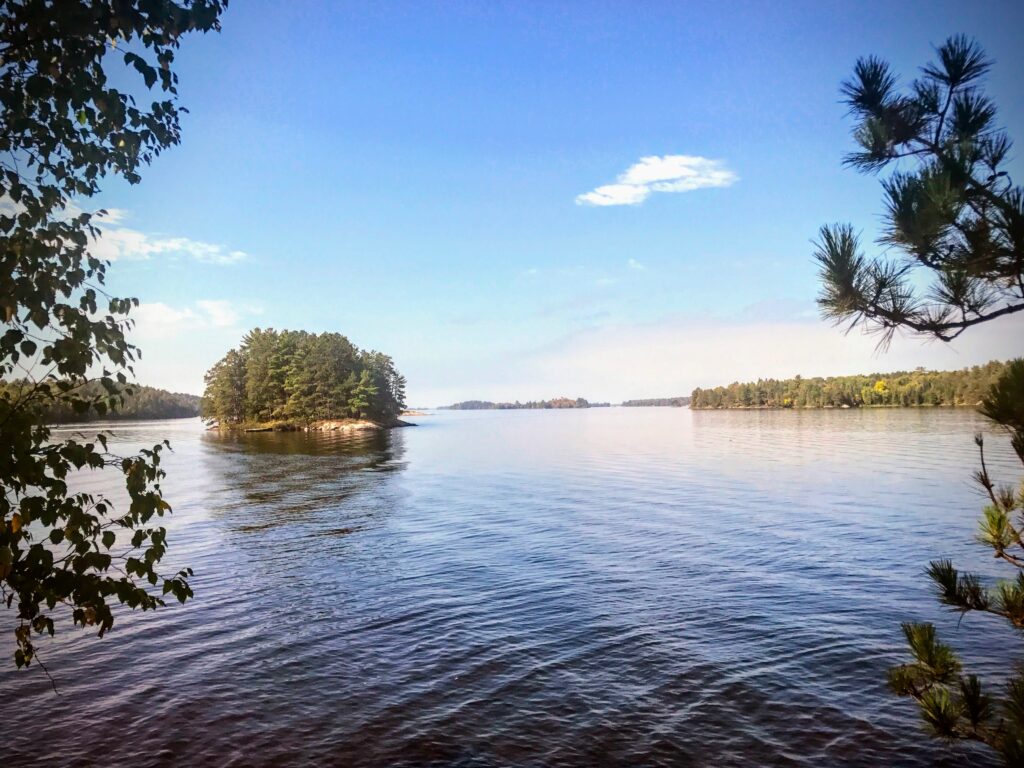
That concern has been at the center of this debate for years. The Boundary Waters is one of the most visited wilderness areas in the country, known for its paddling routes, remote campsites, and largely intact freshwater ecosystem.
The Economic Stakes
Supporters of the repeal say copper and nickel deposits in the region are important to domestic mineral supply and national security. They also note that any mine would still face environmental review before it could move forward.
Opponents point to the Boundary Waters’ existing outdoor recreation economy, arguing that mining-related pollution could put tourism, local businesses, and surrounding communities at risk. The region’s economy is already closely tied to clean water, paddling, fishing, and wilderness tourism.
What Happens Next
The Senate has not posted a vote yet, but pressure around the resolution has clearly increased. For now, the question is whether Congress will prioritize mineral development in the region or keep long-term protections in place for one of the most sensitive freshwater landscapes in the lower 48.









Leave a Reply
You must be logged in to post a comment.