
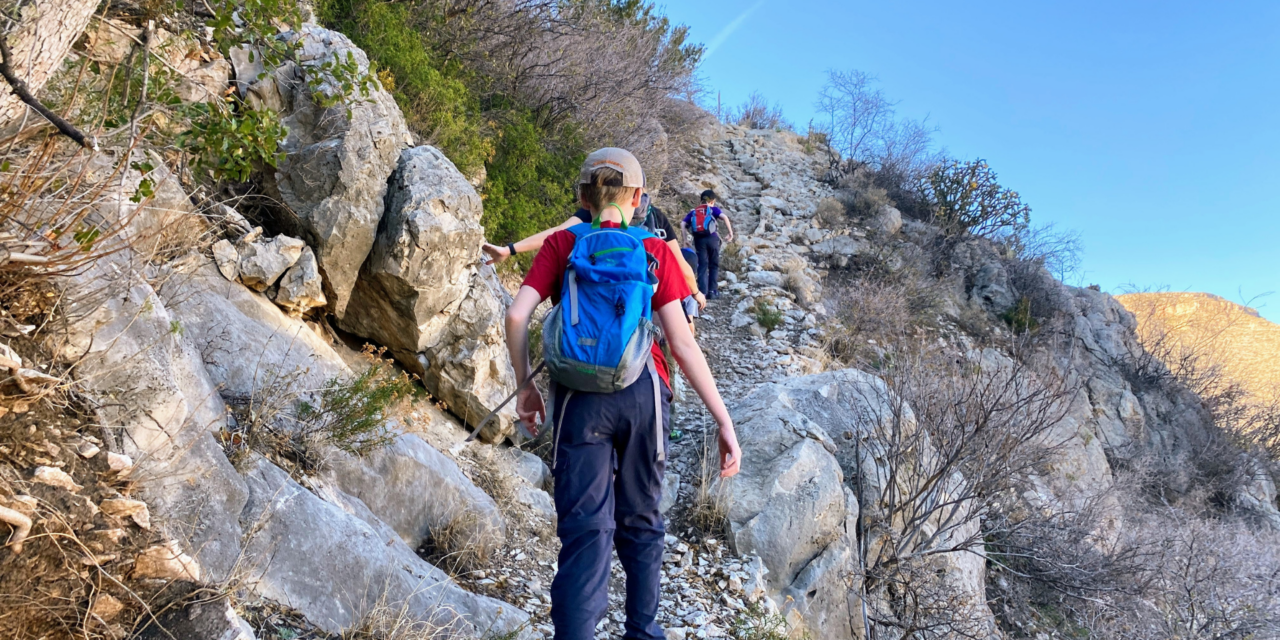
Hiking with kids can be one of the best parts of a camping trip. It is a chance to slow down, explore, burn off some energy, and make the destination feel a little more memorable. But it can also go sideways fast if the trail, timing, or expectations are off.
The good news is that family hiking does not have to be complicated to be enjoyable. A few smart choices can go a long way toward helping kids feel confident and keeping the day fun for everyone. Whether it is a first family hike or the hundredth, these tips can help make time on the trail a little smoother.
Take It Easy and Keep It Kid-Friendly
When kids are just getting started on the trail, easier hikes with an obvious payoff tend to work best. A lake, waterfall, stream, overlook, or other feature gives them something concrete to look forward to and helps keep them engaged.
Short loop trails are often a great place to start. Even a half-mile hike can feel like a big effort for little legs, so it helps to keep expectations realistic. Kids may have endless energy at the playground, but trail endurance can be a different story.
Let Kids Carry Their Own Gear
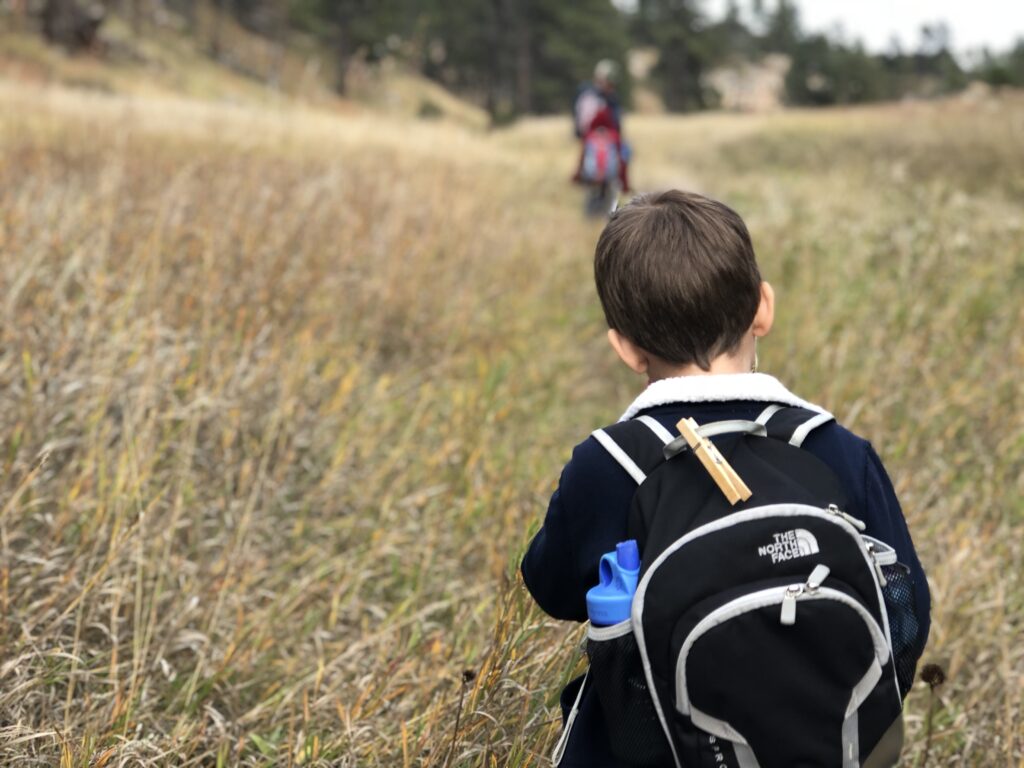
A small backpack can be a great way to help kids feel involved. It does not need to be heavy. A water bottle, snack, hat, sunglasses, and a lightweight rain jacket are usually enough.
Giving kids their own gear can help build confidence and independence, and it also makes it easier for them to keep track of the basics they will need during the hike.
Use a Carrier When Needed
Kids do not have to be fully independent walkers to be part of a hike. A good carrier can make it possible to hit the trail much earlier than many parents expect.
Soft carriers can work well for younger kids, while framed carriers may be a better fit for longer hikes or heavier loads. The best option usually comes down to the child’s size, the length of the hike, and what feels comfortable for the adult carrying them.
Give Yourself More Time Than You Think You Need
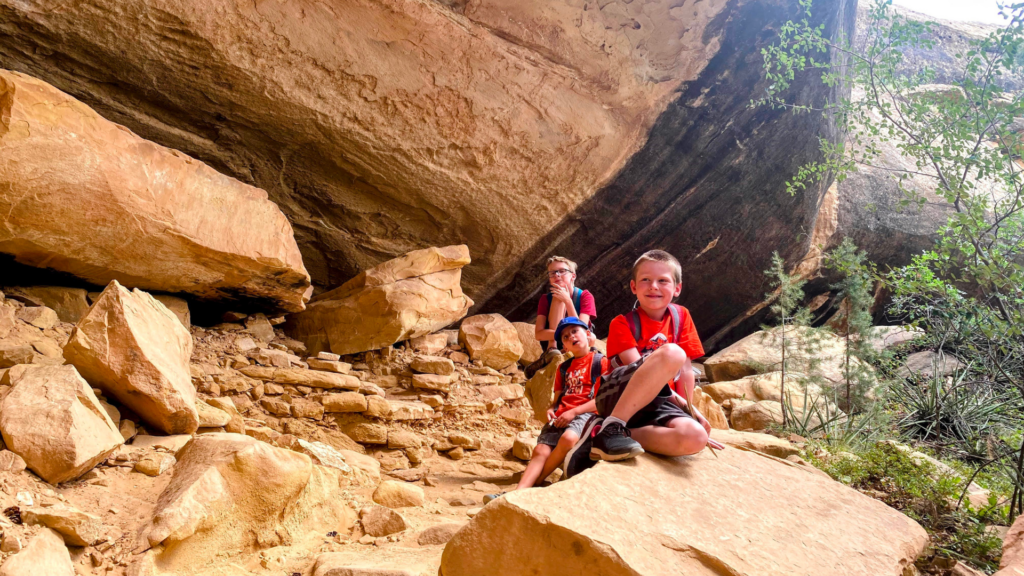
If a trail guide says a hike takes three hours, it is usually smart to assume it could take longer with kids. Snack breaks, rock collecting, water stops, bathroom breaks, and general trail distractions all add time.
Building in extra margin helps take the pressure off and makes it easier to enjoy the hike instead of rushing through it.
Turning Around Is Not Failure
Sometimes a hike just is not working. Maybe the kids are exhausted, maybe the weather shifts, or maybe everyone is just having an off day. Turning around is not a failed hike. It is often the better choice.
The goal is not to force a miserable experience. It is to help kids build a positive connection to being outdoors so they want to do it again next time.
Dress in Layers
Layering matters on family hikes, especially when the weather changes quickly or the trail gains elevation. Lightweight pieces that can be added or removed easily are usually the most useful.
A compact wind or rain jacket is one of the best things to keep in a kid’s backpack. It does not take up much space and can make a big difference if temperatures drop or the weather turns.
Skip the Crocs and Choose Supportive Shoes
Open-toed or flimsy shoes are usually not a good match for the trail. Kids do not necessarily need heavy hiking boots, but they do need shoes that protect their feet and offer decent support.
Sturdy athletic shoes or closed-toe trail shoes are often a better choice, especially on uneven or rocky terrain.
Prepare for the Unexpected
Hiking with kids is a lot easier when a few extra supplies are packed ahead of time. In addition to the 10 Essentials, it helps to bring a few kid-specific items like wet wipes, tissues, lip balm, binoculars, field guides, and safety whistles.
A little extra preparation can make a big difference when plans change or the trail takes longer than expected.
Teach Leave No Trace Early
Hiking with kids is also a chance to teach them how to care for public lands. Even simple habits can go a long way, like packing out all trash, staying on the trail, and leaving natural areas the way they were found.
It can also help to make Leave No Trace part of the adventure. Kids often enjoy helping check the area before leaving or picking up litter on the way back when it is safe to do so.
Just Get Out There
Family hiking does not have to look perfect to be worthwhile. Some hikes will go smoothly, and others will feel like a lot more effort than expected. That is normal.
The important thing is getting outside, staying safe, and giving kids the chance to build confidence on the trail over time. A short, successful hike is often more valuable than a longer one that leaves everyone frustrated.







Leave a Reply
You must be logged in to post a comment.