
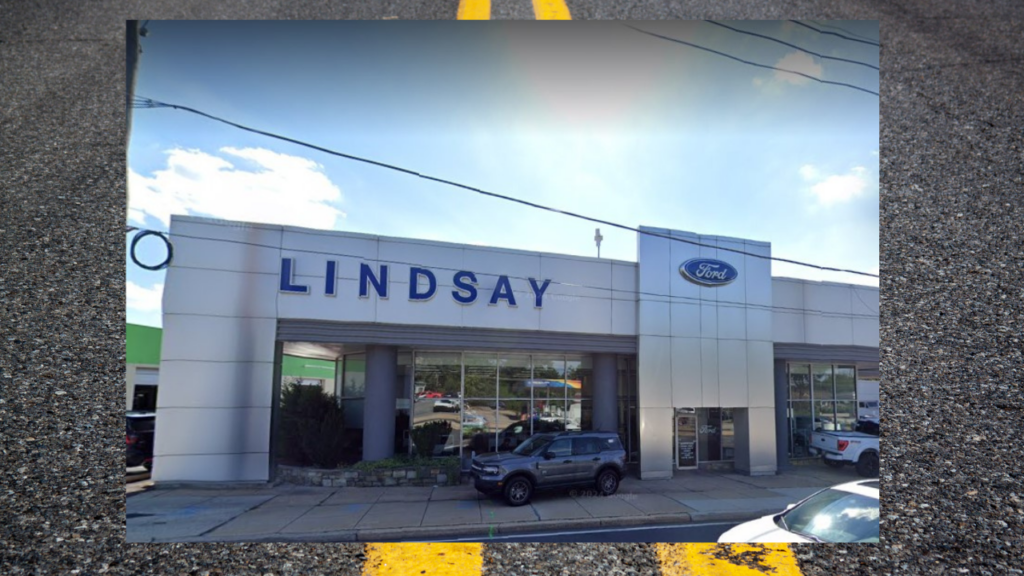
The Federal Trade Commission and the state of Maryland have reached a settlement with Lindsay Automotive Group that could return more than $75 million to customers after regulators said the company used deceptive pricing and loaded buyers up with charges they didn’t agree to. The settlement also includes a $3.1 million civil penalty and new rules requiring clearer pricing and explicit customer consent for add-ons.
Regulators Say Buyers Were Lured in With Low Prices
According to the complaint, Lindsay dealerships advertised low prices online to attract shoppers, then told many customers they didn’t qualify once they arrived. In some cases, regulators say buyers were told they had to finance through the dealership to get the advertised price.
Investigators also say customers were charged for add-ons like service plans, protection packages, and other extras they either didn’t want or never agreed to buy. Regulators say those charges helped drive up the real cost of the vehicle well beyond the advertised price.
What the Settlement Requires
Under the proposed settlement, more than $75 million in charges from purchases made between April 1, 2020, and December 31, 2025, may be eligible for refunds. Lindsay Automotive Group and its executives will also pay a $3.1 million civil penalty to Maryland.
Going forward, the company must clearly disclose the full vehicle price upfront, including all mandatory fees except government charges, and get a buyer’s express informed consent before adding optional products or fees. The settlement also bars the company from misleading customers about financing requirements or whether a vehicle is actually available at the advertised price.
An Across-the-Market Buying Problem? RV
Hidden fees, mandatory financing claims, last-minute add-ons, and “too good to be true” advertised prices are all tactics shoppers can run into across the vehicle market. The FTC recently sent warning letters to 97 auto dealer groups nationwide, reminding them that advertised prices should include all mandatory fees and that discounts can’t be tied to conditions many shoppers won’t qualify for.
Another red flag regulators highlighted is advertising a vehicle that isn’t really available — a classic bait-and-switch tactic used to get shoppers onto the lot. You see a great car at a great price online, only to show up at the lot and surprise! The car was just sold, and they haven’t had the time to remove it from the site. The reality? That car never existed.
If you want to hear our personal opinions on how this could affect the industry and who it might affect most, check out RV Miles Podcast Episode 404.
This story was a part of the April 7th RV and Camping News Video.










Leave a Reply
You must be logged in to post a comment.