
RV trips promise freedom, adventure, and unforgettable memories. But sometimes a dream road trip turns into a frustrating experience. Many of the most common RV trip mistakes are easy to overlook until they start affecting your time on the road.
Even experienced RVers run into issues that can derail a trip—from crowded campgrounds to unexpected repairs.
If you’d rather listen to this discussion, Jason and Abby break down these common RV trip mistakes and share some of their own travel experiences in the episode below.
Watch the full conversation here:
Whether you call them RV trip mistakes or RV travel mistakes, most of these problems come down to the same thing: too much packed into the schedule and not enough planning for the realities of life on the road. A few small adjustments before you leave can make your trip far more enjoyable.
1. Overcrowded Campgrounds
Few things ruin the camping vibe faster than pulling into a campground and feeling packed in like sardines. Tight sites, noisy neighbors, and limited space can make it hard to relax.
How to Avoid It
Choose back-in sites when possible. Pull-through sites are convenient but often have less privacy.
Look for end or corner sites when booking. These often provide more breathing room.
Check campground maps before booking so you understand the layout.
Book early, especially for popular destinations or peak seasons.
2. Crowded National Parks
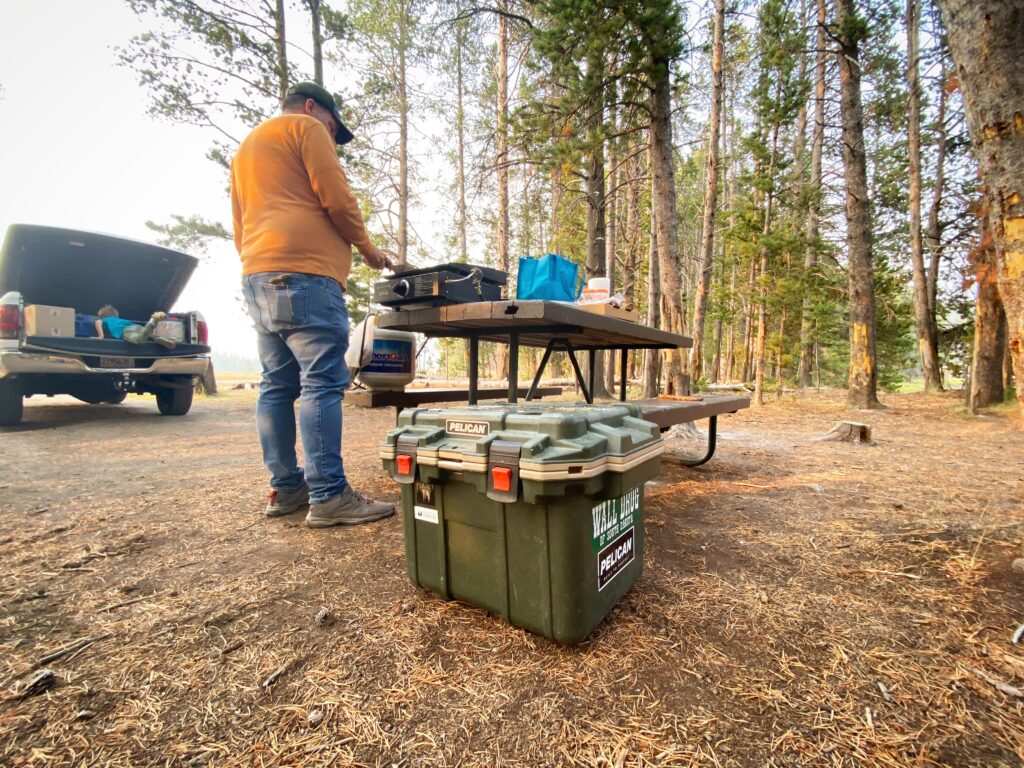
National parks are some of the most beautiful places to RV, but during peak season they can feel more like theme parks than wilderness.
How to Avoid It
Visit during shoulder seasons or midweek when crowds are lighter.
Stay in the park later in the evening. Many visitors leave around dinner time, which means quieter trails and viewpoints.
Check if timed-entry reservations are required and book them in advance.
Venture farther from the main roads and popular overlooks to find quieter areas.
3. Unplanned RV Repairs
Mechanical problems can quickly turn an exciting trip into a stressful one. Slides malfunction, air conditioners fail, and small issues can become big problems on the road.
How to Avoid It
Perform routine maintenance before every trip.
Learn basic emergency procedures like manually retracting slides or securing an awning.
Carry essential tools, sealants, and spare parts.
Keep the number of a trusted mobile RV technician handy in case something goes wrong.
4. Extreme Weather
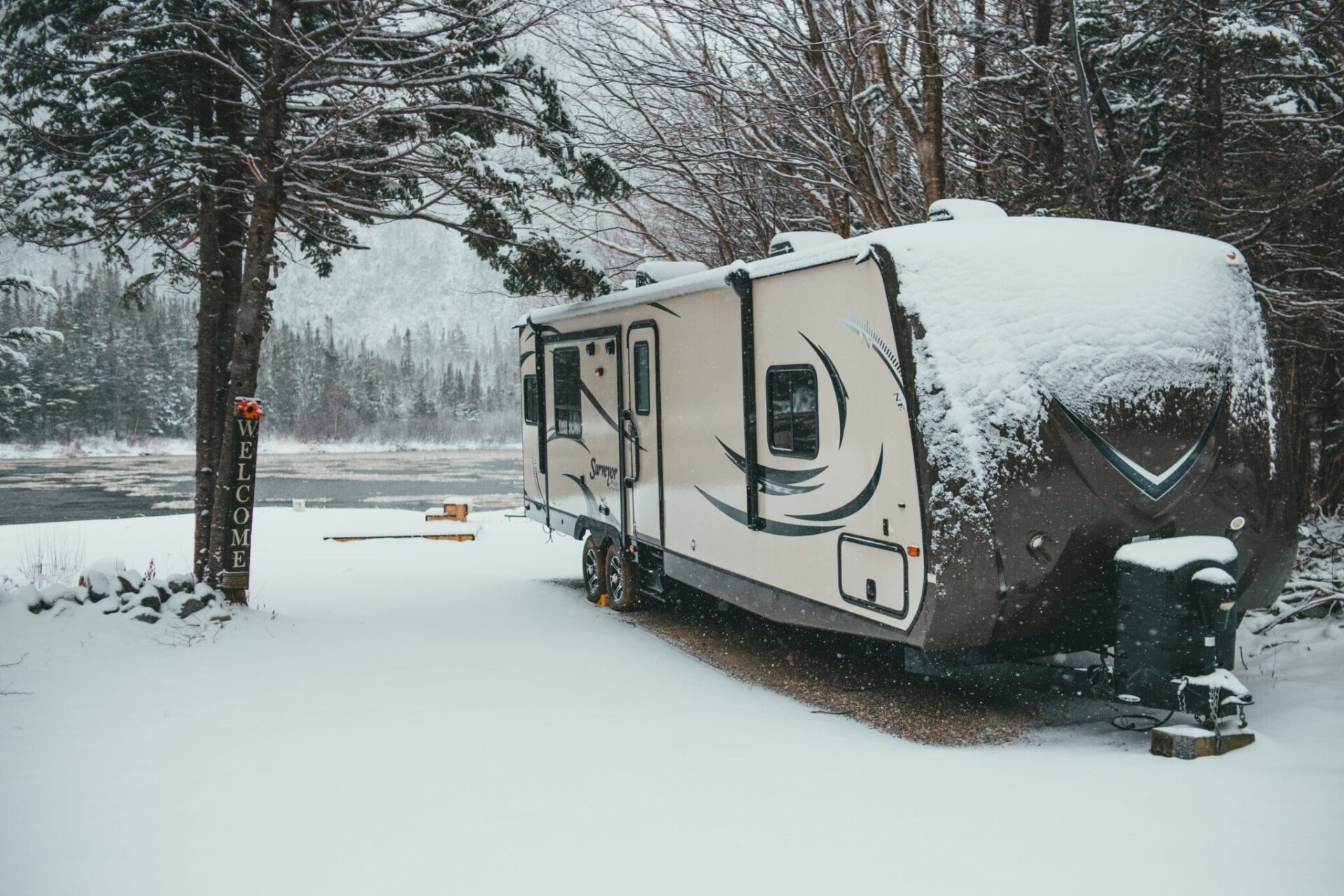
Storms, extreme heat, or unexpected cold snaps can dramatically impact an RV trip.
How to Avoid It
Research the typical weather patterns for your destination.
Monitor weather forecasts regularly while traveling.
Have a backup plan, including nearby hotels or alternate routes.
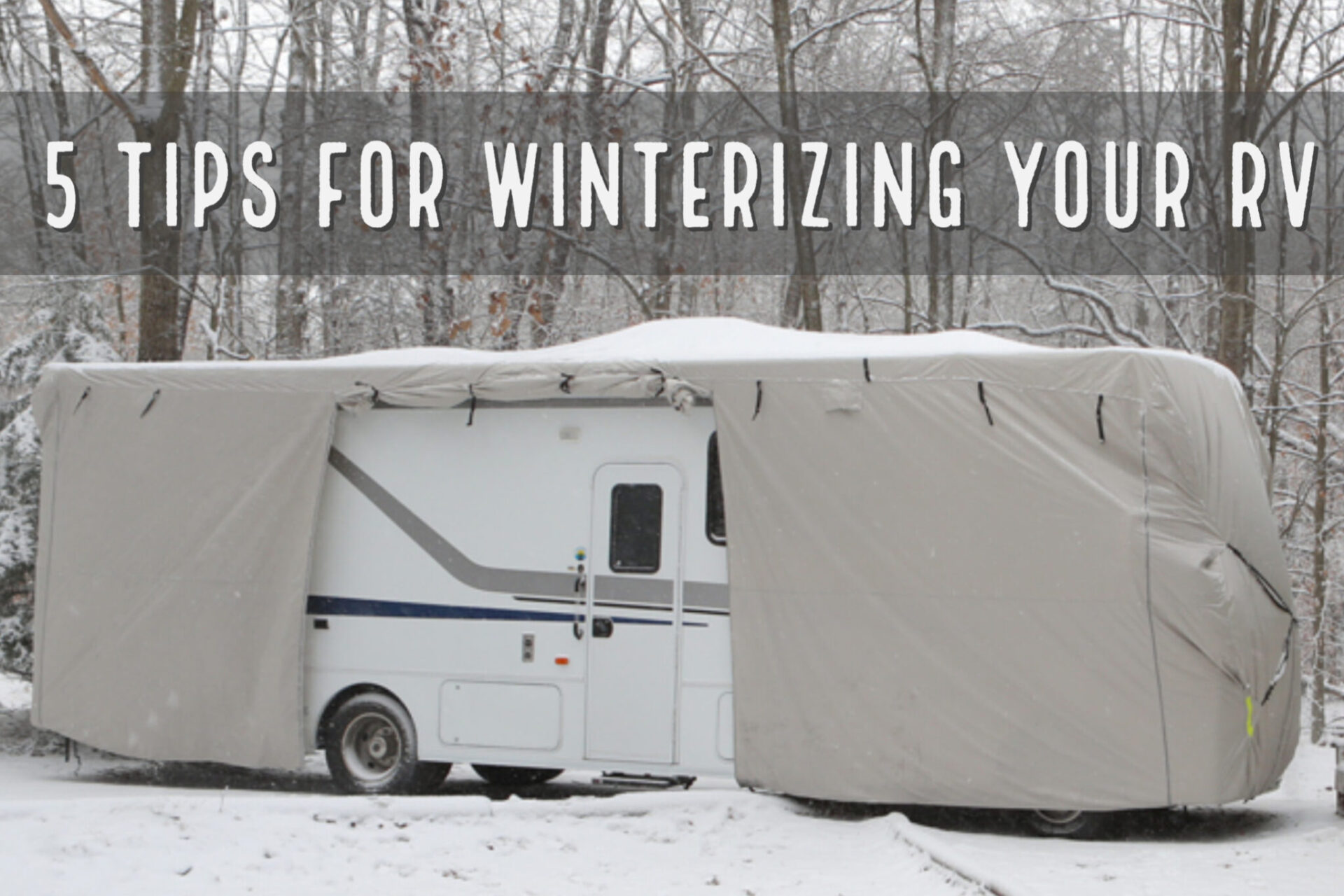
Learn how to protect your RV in extreme conditions, including winterizing or stabilizing in strong winds.
5. Everyday Chores Feel Harder on the Road
Cooking, cleaning, and laundry can feel surprisingly overwhelming in a small RV space.
How to Avoid It
Plan simple meals or prep ingredients before your trip.
Build flexibility into your plans so you can enjoy occasional restaurant meals.
Schedule “home days” at the campground to catch up on laundry or cleaning.
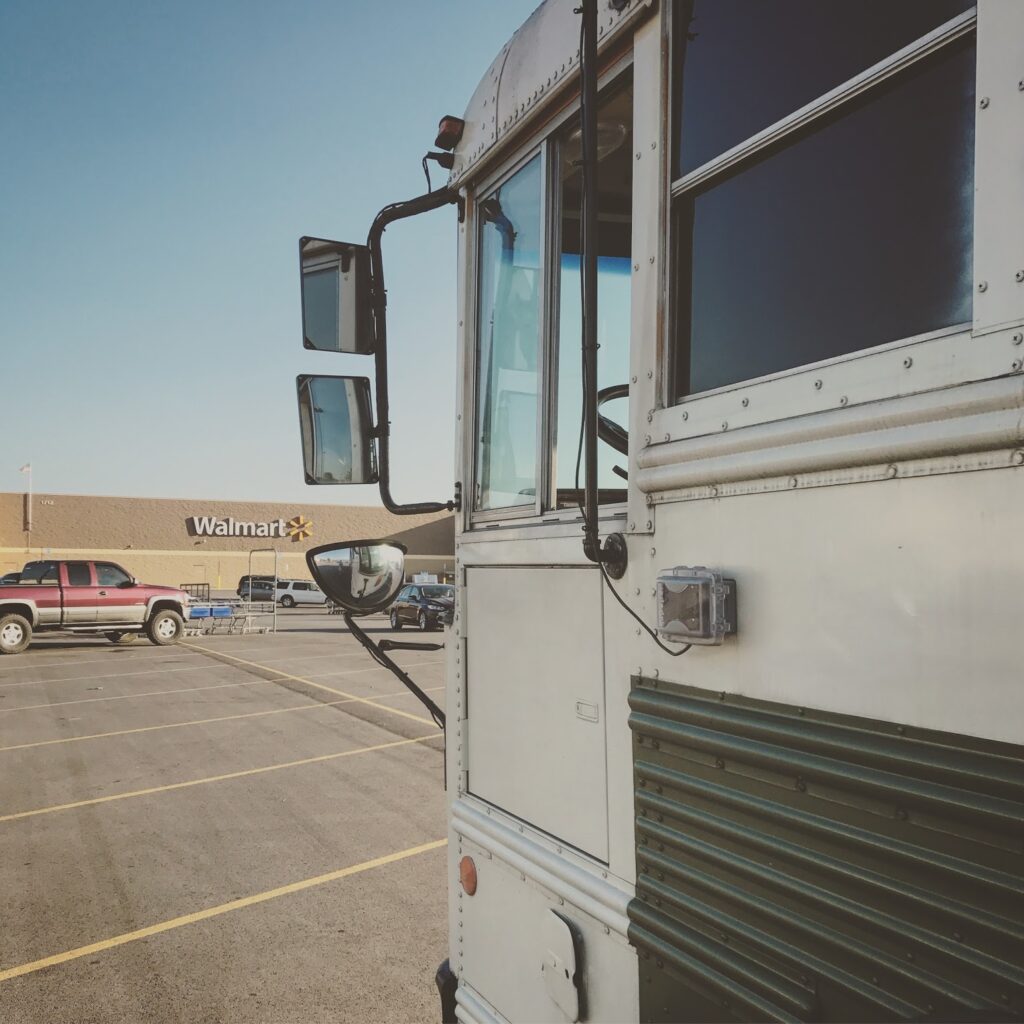
Use grocery pickup apps to save time on travel days. Many RVers schedule grocery pickups at stores like Walmart while passing through town.
6. Travel Days Took Longer Than Expected
Driving an RV often takes longer than standard GPS estimates. Underestimating travel time can lead to stressful late arrivals.
How to Avoid It
Add about 15 minutes for every hour of drive time shown in your GPS.
Limit travel days to four or five hours when possible.
Build extra time into your schedule for fuel stops, rest breaks, or unexpected detours.
Remember that the journey is part of the adventure.
7. Taking the Wrong Route
Low bridges, steep mountain grades, or narrow roads can quickly turn into serious problems for RV travelers.
How to Avoid It
Use RV-specific navigation tools like RV Trip Wizard or a Garmin RV GPS.
Double-check routes with multiple mapping apps.
Carry a trucker’s atlas as a backup for identifying restricted roads.
8. Driving or Towing Feels Stressful
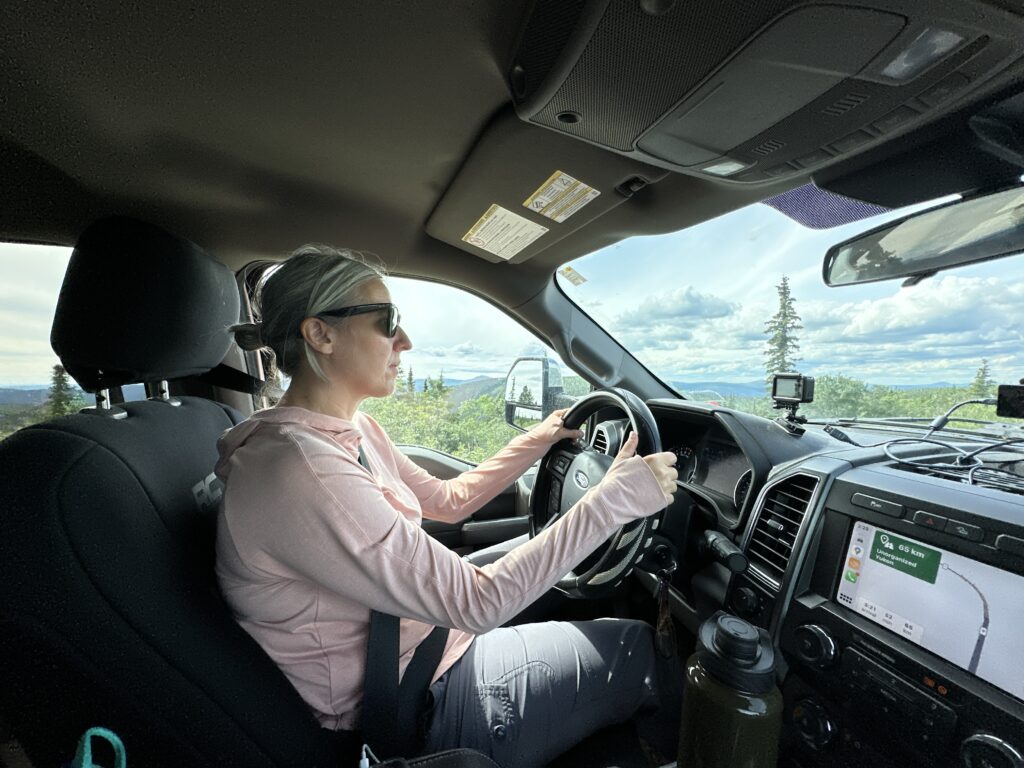
Driving a large RV or towing a trailer can be intimidating, especially in busy areas or unfamiliar terrain.ip.
How to Avoid It
Practice maneuvering in an empty parking lot before your trip.
Learn how your vehicle systems work, including tow/haul mode and exhaust brakes.
Plan routes that avoid congested city traffic whenever possible.
Take your time and prioritize safety over speed.
If you’re new to towing, check out our guide on how tow/haul mode works and when to use it
9. Too Many Stops in One Trip
Trying to see everything at once often leads to exhaustion rather than enjoyment.
How to Avoid It
Stay at each campground for at least two or three nights.
Choose a few priority destinations instead of packing your schedule.
Leave space for spontaneous discoveries along the way.
10. Moving Camp Too Often
Constantly packing up and relocating can turn a relaxing vacation into a logistical grind.
How to Avoid It
Slow down and enjoy each destination.
Alternate between quick overnight stops and longer stays.
Accept that you don’t need to see everything in one trip. There will always be another adventure waiting.
Final Thoughts
Even experienced RVers make mistakes from time to time. The good news is that most RV trip mistakes are easy to avoid with a little planning and a flexible mindset.
With a little preparation, realistic expectations, and a willingness to slow down, your RV adventures can be far more relaxing and enjoyable.
Did you find this article helpful? Ready to plan your next trip and put these tips into action? Check out these suggested itineraries for all types of RVers and find your next great adventure.








Leave a Reply
You must be logged in to post a comment.