Reuters traveled to Elkhart, Indiana to report on the RV downturn. Does this mean we are in trouble?
It’s Not Just You — RV Sales Are Struggling
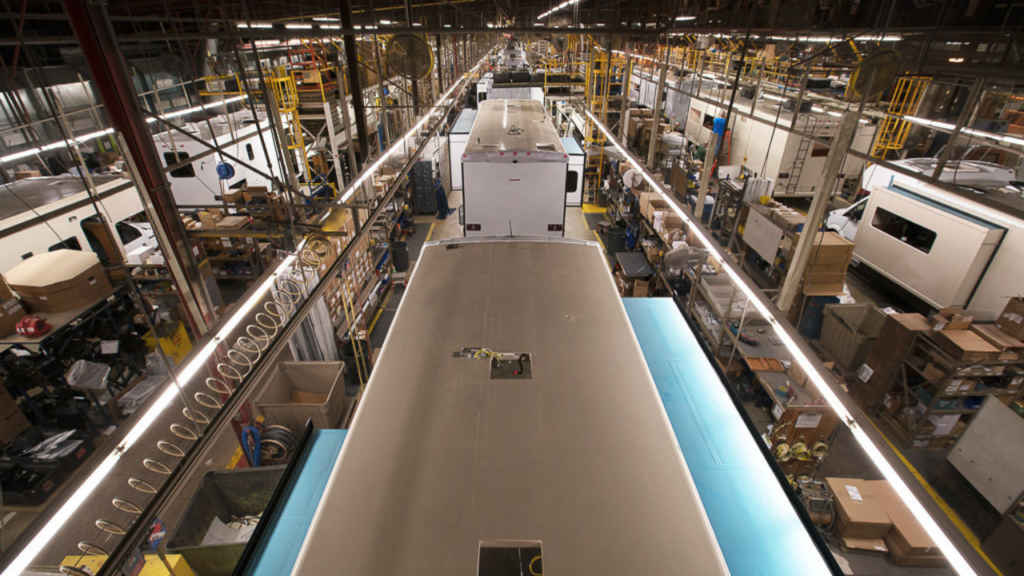
If you’ve been paying attention to RV industry news, none of this will come as a shock. But when Reuters sends a reporter to Elkhart, Indiana — the heart of American RV manufacturing — it signals that the story has officially gone mainstream.
The full Reuters report is worth a read. The outlet spoke with manufacturers, dealers, economists, and RV owners to get a full picture of where things stand. Spoiler: it’s a tough moment for the industry.
The Numbers Tell the Story
RV shipments are already down nearly 17% for the year, and the RVIA recently cut its full-year projection to a range of 300,000–328,100 units — well below last year’s 342,200. But consumer registrations — meaning actual purchases by real buyers — paint an even starker picture. March registrations dropped almost 22% compared to a year ago, followed by a 17% decline in April.
Inflation-adjusted spending on recreational goods and vehicles has now fallen for five consecutive months, the longest such streak since the height of the Great Recession in 2008.
Alliance RV co-founder Coley Brady told Reuters the company trimmed most assembly lines from five days a week to four back in March, after spring sales came in weaker than expected. He estimates that cutback reduced output by about 10% since March — though he says they’re scheduled through July and could ramp back up in August if the summer picks up.
Gas Prices: Now We Have the Numbers
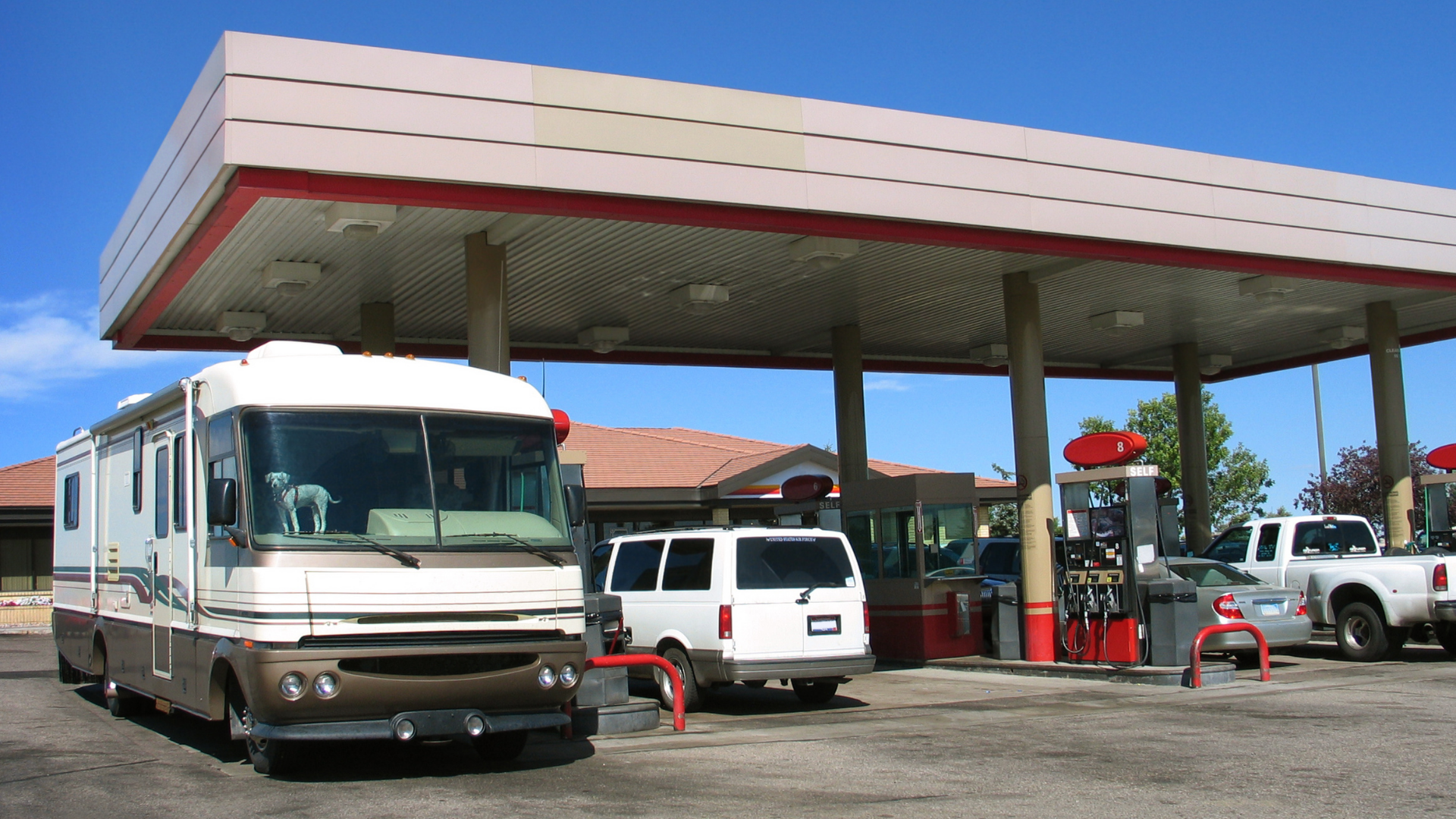
If you’ve been following along, you already know fuel costs have been a major part of this story. What Reuters adds is some hard numbers behind what we’ve all been watching: gasoline up 33% and diesel up 43% since the conflict in Iran began — and industry consultant Gregg Fore told the outlet that spike effectively wiped out whatever momentum the market had heading into spring.
In other words, the thing we’ve been tracking for months just got a lot more quantifiable.
Affordability Is the Big Word Right Now
Beyond gas, the broader affordability picture remains challenging. Interest rates remain elevated, with the average rate on RV loans sitting at 7.53%, according to LendingTree. Add in higher campground costs, pricier insurance, and the fuel spike, and for a lot of families the math just isn’t working right now.
Consumer sentiment fell to a record low in May before recovering slightly in early June, according to the University of Michigan — and inflation running at its hottest in three years continues to chip away at household budgets.
Jeff Hirsch, CEO of Campers Inn RV, summed it up well — affluent retirees are still buying, but many middle-income consumers simply don’t feel like now is the right time to make a major investment. That tracks with what dealers across the country have been saying for months.
There Are Still Reasons to Be Optimistic
Not everyone is bracing for the worst. Alliance RV still expects to build more RVs in 2026 than it did last year. Brady is hopeful business picks up later in the summer, particularly if tensions in the Middle East ease — though analysts warn fuel prices are likely to stay elevated even if that happens.
Economist Michael Hicks of Ball State University, who tracks the RV industry closely, pointed out that most buyers are in their 50s and 60s with solid retirement savings. They’ve weathered high gas prices and high interest rates before, and they’re the buyers the industry really counts on.
There are also some tailwinds worth watching. Airfare is still expensive. International travel has gotten more complicated. Cruise lines have dealt with their own bad press. And road trips still offer the kind of freedom and flexibility that’s hard to replicate anywhere else.
Brady put it plainly: “You’d think all of that would guide back to RV use.”
The Bottom Line
Demand for RV travel hasn’t gone away — buyers are just being more selective about the timing. For manufacturers, dealers, and suppliers, 2026 is shaping up to be another year of patience. As for when a real turnaround arrives, nobody seems to have a clear answer just yet.