
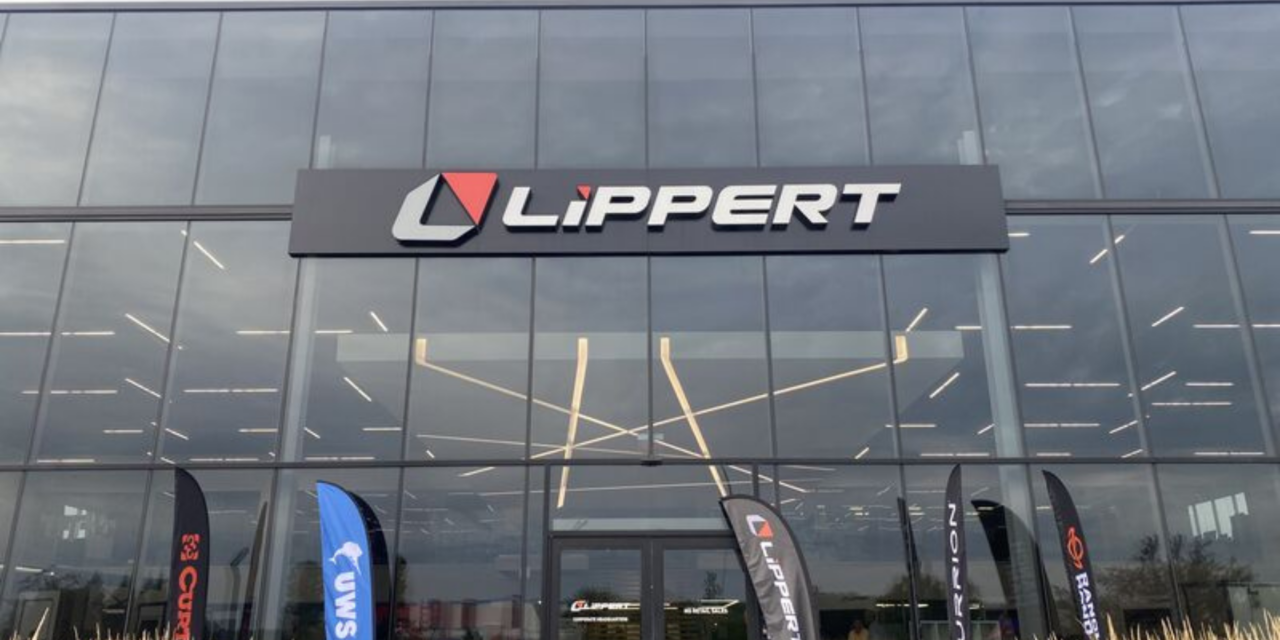
A potential merger between two of the RV industry’s largest suppliers is now drawing attention from Capitol Hill.
U.S. Sen. Mike Lee of Utah, chairman of the Senate Judiciary Subcommittee on Antitrust, Competition Policy, and Consumer Rights, sent a letter to the CEOs of LCI Industries and Patrick Industries raising antitrust concerns about the companies’ publicly confirmed merger discussions. Both companies confirmed on April 17 that they are discussing a possible “merger of equals,” though both also said there is no assurance that any transaction will happen.
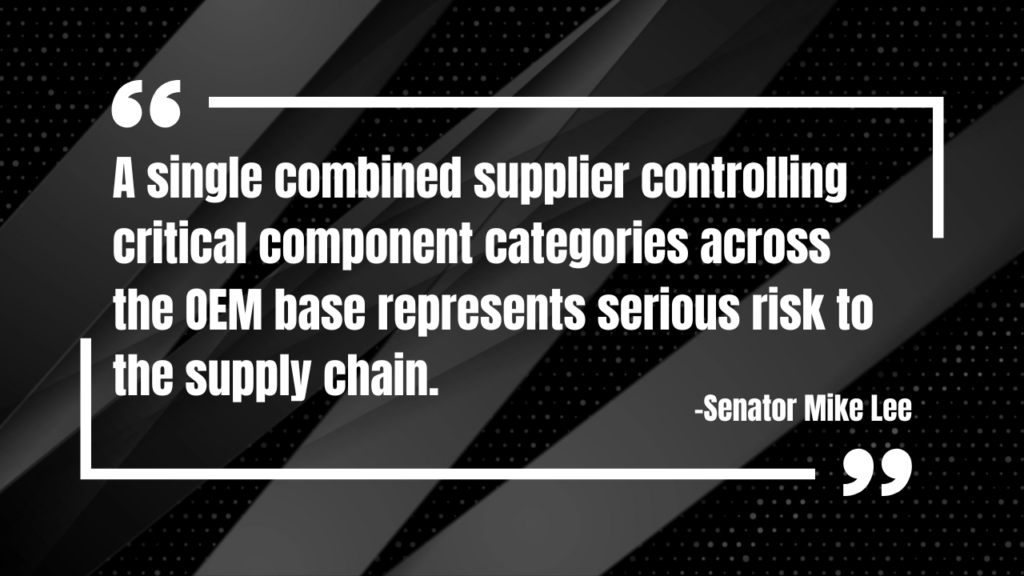
Lee’s concern is straightforward: Lippert, owned by LCI Industries, and Patrick Industries are already two of the biggest component suppliers in the RV business. In his letter, Lee said a combined company would create “a supplier of considerable scale across multiple component categories critical to RV manufacturers,” and that such a deal deserves close scrutiny.
Senator Lee Isn’t the Only One with Concerns
This is still only a potential merger. There has been no announced agreement, no terms, and no finalized transaction.
But the concern inside the RV industry is real.
Over the past week, I’ve spoken with several RV industry executives. None wanted to speak on the record, but the general theme was consistent: it would be extremely difficult to produce RVs at scale without doing business with a combined Lippert-Patrick company.
That does not mean Lippert and Patrick are the only suppliers in the RV space. They are not. Companies like Airxcel and Dometic have strong positions in appliances, climate systems, awnings, and related components. MORryde is a major name in suspension and RV accessories. Dexter is a major supplier of axles and running gear.
But Lippert and Patrick are the two major consolidators. Over the years, both companies have acquired many brands and now supply a wide range of RV components across the industry. Patrick says it is home to more than 85 brands, while LCI says Lippert is a global supplier of engineered components for the outdoor recreation and transportation markets.
That scale is what has the RV Industry concerned.

The Antitrust Questions
Lee’s letter focuses on several concerns: pricing power, reduced competition, innovation, and supply chain resilience.
He warned that if manufacturers have fewer sourcing alternatives, a merged company could gain leverage to raise prices or reduce output. He also said those higher costs could eventually be passed along to consumers in the form of higher RV prices.
The letter also raises concerns that combining the two companies could reduce incentives to invest in new products, quality improvements, and component innovation. In addition, Lee pointed to supply chain risk, arguing that fewer independent suppliers could make the RV industry more vulnerable during periods of economic stress, demand swings, or raw material shortages.
One of Lee’s questions stood out: whether any RV manufacturer customers have raised concerns about the competitive effects of a merger.
I cannot say definitively whether they have or have not. But it is worth noting that smaller RV manufacturers may not have the bargaining power to publicly raise concerns about the companies they rely on for critical components.
Industry Reaction Is Not One-Sided
There are some people in the industry who believe a merger could ultimately benefit both companies and potentially lower costs for OEMs. That argument is that a larger, more efficient supplier could streamline operations, reduce duplication, and create savings that might flow through the supply chain.
But most of the people I’ve spoken with feel the opposite.
Their concern is that combining Lippert and Patrick would give one supplier group overwhelming influence over the RV manufacturing supply chain. In that view, the result would likely be higher prices, fewer choices, and less pressure to innovate.
For now, this remains a potential deal, not a completed one. But Lee has requested written responses and supporting documents from both companies. The letter was also copied to the Department of Justice Antitrust Division and the Federal Trade Commission.
Lippert and Patrick have until May 5 to respond to Lee’s request.











Leave a Reply
You must be logged in to post a comment.