

Buying a new RV is exciting. It also makes it very easy to start buying all the gear, gadgets, trinkets and extras before you even know what kind of RVer you really are. We’ve all done it.
That’s why one of the smartest things a new RVer can do is wait and spend some time camping first before making any additional purchases beyond the essentials. It’s important to learn your habits. Figure out whether you prefer full-hookup campgrounds, boondocking, weekend trips, short trips close to home, or travel that takes you out for months at a time. Once you know your camping style, it gets much easier to tell the difference between a useful purchase and an unnecessary one
As you get settled into RV life, here are our suggestions for eight things you don’t need for your new RV right away.
Prefer to watch us talk through these items? This article is also an episode of the RV Miles Podcast. We discuss each item and share firsthand experience on why each category was selected.
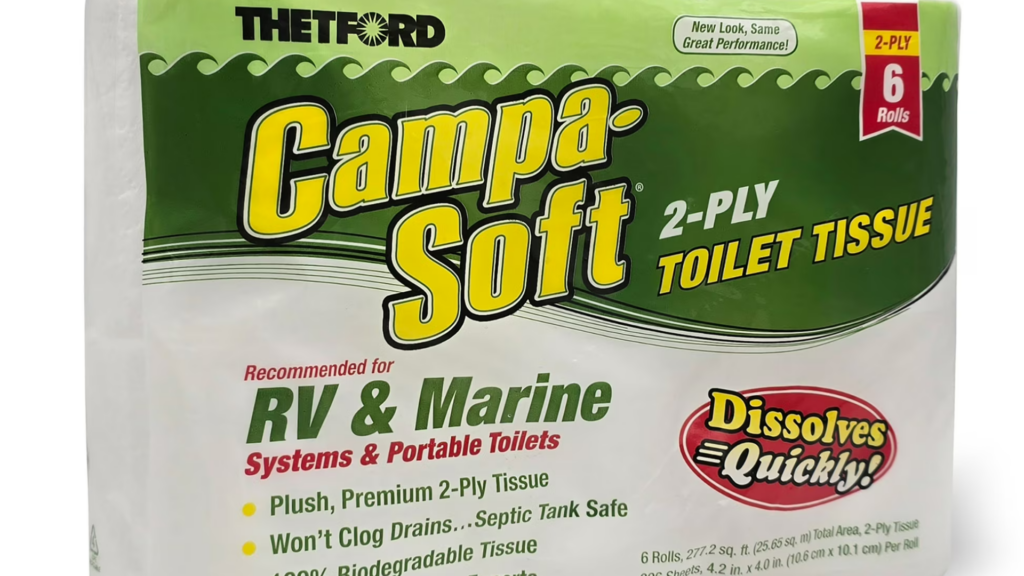
1. RV Toilet Paper
You do not need toilet paper marketed specifically for RVs.
What matters is not the label on the package. What matters is whether the paper breaks down easily enough for your black tank system. A simple single-ply toilet paper often does the job just fine, and many longtime RVers use household brands without any issues. We use Scott single-ply, which we have used for almost 10 years without any issues. The secret – water. No matter what TP you use, you need to use plenty of water every time you flush.
A quick test is easy: drop a few squares in a jar of water and shake it for 10 to 15 seconds. If it breaks apart, it is likely a good option for RV use.
This is one of those products that often gets sold at a premium just because it says “RV” on the label. For many campers, that extra cost simply is not necessary.
2. Hiking Boots/Outdoor Clothes
It can be so tempting to go out and buy the latest hiking boots and the smartest-looking outdoor clothes, but have you priced them lately? Nowhere does your budget feel it more than when you try to outfit an entire family in “outdoor gear” for multiple seasons at stores like North Face, REI, Patagonia, Columbia, or (insert latest outdoor brand here).
Now, don’t get us wrong, we have been known to walk into an REI and walk out with a much lighter bank account, so we are not immune from the powers of a well-designed National Park sweater, or a good-looking pair of trail runners, but our point is this – You don’t need all those things to go RVing. Your kids will have as much fun in their $8 Cat and Jack shorts and a pair of sneakers as they will in their $40 Patagonia shorts and $60 Newport Keens on the trail. Find out what kind of RVer you want to be first, before making an investment in the outdoor gear, the hiking poles, the big ol’ hiking boots (which Jason will tell you do more harm than good), and all the other things waiting for you at Cabela”s. You may find that you prefer the leisurely 1/2 mile stroll around a National Park boardwalk to the 10-mile out-and-back hike through the back country.
Of course, we do hope it goes without saying that while you are figuring this all out, do leave the flip flops and crocs back at the campsite. You still need to bring a good pair of sneakers or sandals that you can wear all day and keep your feet protected.
3. Tent-Camping Gadgets
It is easy to get pulled into the tent-camping gear aisle and start grabbing things that look useful. Small hatchet with paracord wrapped around the handle, anyone? And to be fair, some outdoor gear works great for RVers too.
But a lot of products designed for tent camping just do not make much sense once you are traveling with an RV.
If you have a refrigerator, protected storage, a stove, and actual beds, you probably do not need to stock up on things like waterproof matches, sleeping bags, sporks, or specialty egg carriers. Those products solve problems that many RVers simply do not have.
Before you buy camping gear, ask yourself one question: does this solve a problem I will actually have in my RV?

4. Camping Memberships
Campground discount programs and travel memberships can absolutely save you money. But there is no need to buy them the same day you buy your RV.
These programs are usually annual memberships, so if you sign up months before your first trip, you are eating into the value before you have even used it. You also may not yet know what kinds of parks you prefer or how often you will camp.
A better approach is to wait until you are booking trips and then sign up for the programs that match the way you actually travel.
There are some memberships plenty of RVers find worthwhile, but the key is timing. Buy them when they make sense for your travel plans, not just because they are available.
5. Solar Power
We are big fans of solar, but it is not something every new RVer needs right away.
Solar can be a fantastic upgrade, especially for campers who like boondocking or staying off-grid for extended periods. But it is also one of the easiest places to overspend before you understand your actual power needs.
For a lot of RVers, a large solar and lithium setup is overkill at first. If your main goal is the occasional overnight stop or a short stay without hookups, an extra battery may be enough. You can always add solar later once you know how you camp and what you really need to power.
The important thing to remember is that solar does not automatically recreate the experience of being plugged into full hookups. Heating and cooling appliances still have major limitations, and that matters when you are trying to decide how much to invest.
6. Combo Washer and Dryer Units
The idea of doing laundry inside your RV sounds great. The reality is often less impressive.
Combo washer and dryer units can take a very long time to finish even a single load, and they also use space and weight capacity that could go toward other priorities. Unlike a home setup, you usually cannot keep one load washing while another dries, which slows the whole process down even more.
For many RVers, laundromats or campground laundry rooms are simply more efficient. You can often get everything done at once instead of stretching laundry across an entire day.
This is one of those features that can sound essential during the buying process, but it is worth thinking through how often you would actually use it and whether the tradeoffs are worth it.
7. Extra Expensive Leveling and Stabilizing Gadgets
There are a lot of extra leveling and stabilizing gadgets out there to add to your setup collection, but before you go buying anything beyond the necessary items needed for setup, take the time to get to know exactly what it feels like in your rig when you are camping. Some fifth wheel owners swear by front cap stabilizers, while others say they do nothing. Personally, we’ve never felt the need for them, and they are expensive.
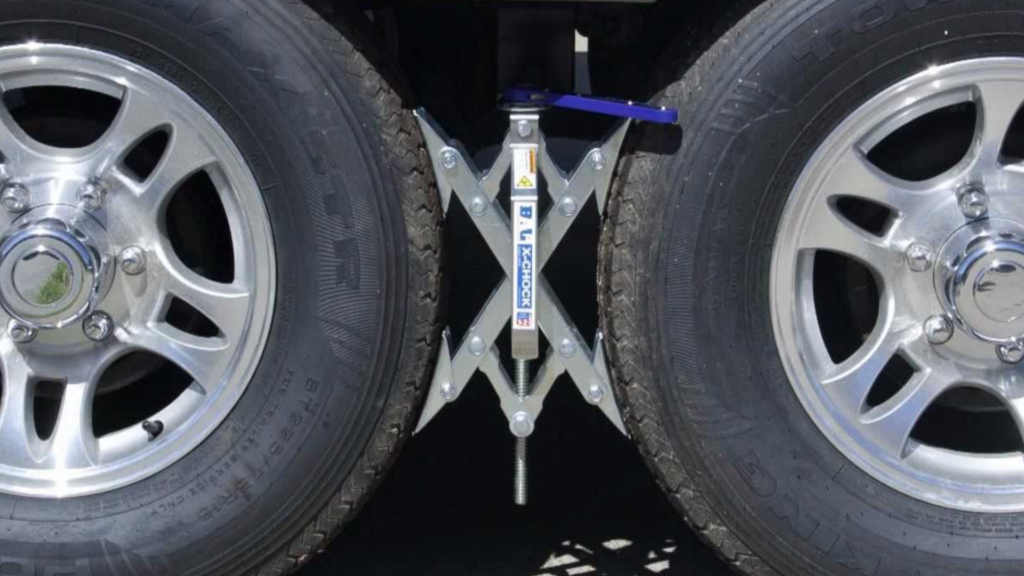
X chocks, which really aren’t chocks to begin with, so never ever use them as such, are great, but again, they’re expensive, and not every rig needs them. IYou’ve probably seen RVers all across social media talking about how great Snap Pads are, but are they worth the cost? We aren’t so sure. But again, only you can answer that question after you’ve spent some time getting to know your RV. Nothing worse than investing all this money in pricey leveling and stabilizing gadgets only to find you never use them, and instead, they are taking up precious space in your cargo bays or the back of your truck.
8. Miniature Tools
Tiny tools may seem like a smart space-saving solution, but they are often more frustrating than helpful.
RVs are large, complex machines, and when something needs adjusting or repairing, you want tools that can actually do the job. A mini wrench may not give you enough leverage. A tiny screwdriver may be awkward to use. And novelty-sized gear often ends up taking space without being all that functional.
Instead of buying miniature versions of everything, focus on a few quality, full-size essentials or compact multi-purpose tools that still work well.
When something goes wrong on the road, you will be much happier to have tools you can rely on.
Take Your Time
One of the best things about RVing is that your setup gets better with experience. The longer you camp, the more clearly you see what actually makes life easier and what just takes up space. Focus on the essentials first, the things buyers often overlook when purchasing an RV, and don’t get sucked into all the non-essentials at first. Those will be there and can be added on as you go. Your wallet will thank you for it!
Join Jason and Abby on the RV Miles Podcast every Sunday night on YouTube or any major podcast app.








Leave a Reply
You must be logged in to post a comment.