Grand Teton National Park is trying a creative new approach to wildlife restoration: robotic birds.
The park and its partners are using lifelike bird decoys and recorded calls to encourage Greater Sage Grouse to move toward restored habitat near Jackson Hole Airport, which sits inside the national park. The goal is to give the birds a safer place to gather while also reducing conflicts near an active runway.
Why Sage Grouse Need a Helping Hand
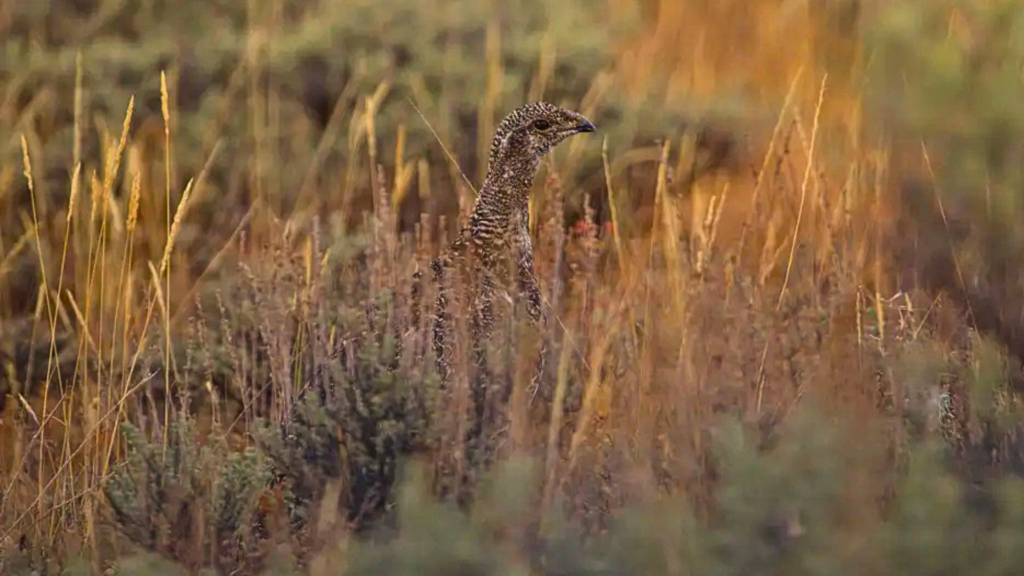
Greater Sage Grouse are a signature bird of the sagebrush West. Each spring, males gather on open breeding grounds where they fan their tails, puff out their chests, and perform a dramatic mating display.
Throughout the years, Sage Grouse numbers have fallen sharply across the region, especially in Grand Teton, where the birds breed near an active airport. One historic breeding site in the park dropped from 73 male Sage Grouse in 1950 to just three last year.
How the Robotic Birds Fit In
Restoring habitat is only part of the challenge. Birds still have to find it and use it.
That’;’s where the robots come in.
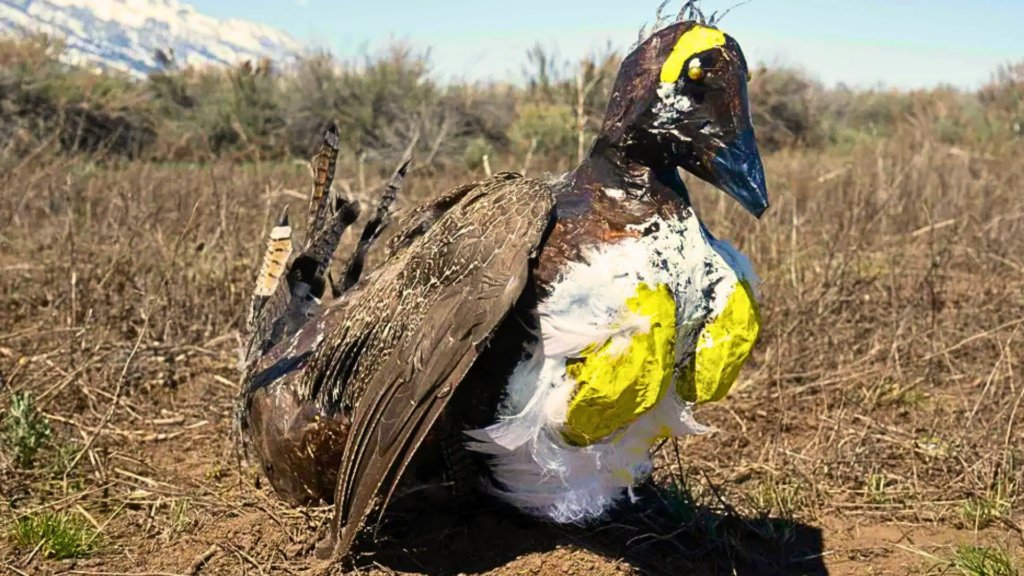
Built by the RoboBroncs, the robotics team at Jackson Hole High School, some of the decoys will stay still, while others move in a way meant to resemble the spring courtship display of a male Sage Grouse. Recorded breeding calls are also played in the area to make the restored site seem more active.
The hope is that real Sage Grouse will notice the activity, investigate the area, and eventually begin using the restored habitat for breeding. Trail cameras are being used to monitor the site during peak courtship season, which runs into mid-May.
The Project Also Has a Safety Angle
Jackson Hole Airport is the only commercial airport located inside a national park. Between 1990 and 2013, 32 Sage Grouse were struck and killed by an aircraft in and around the airport.
The National Park Service says the park has been restoring sagebrush habitat in the McBride unit, south of Jackson Hole Airport, as part of a project to relocate the Sage Grouse farther from the airport to reduce bird fatalities.