With the cost of fuel on the rise, saving money at the pump matters more than ever. Fortunately, a few small changes to how and where you fuel up—and how you drive—can make a noticeable difference in your miles per gallon.
Below are 10 fuel-saving tips from episode 206 of the RV Miles Podcast. These tips will help stretch your fuel budget and make your next RV trip a little more affordable.
Pair these tips with our RV Driving Tips guide, and you’ll be well on your way to becoming a more efficient RV driver.
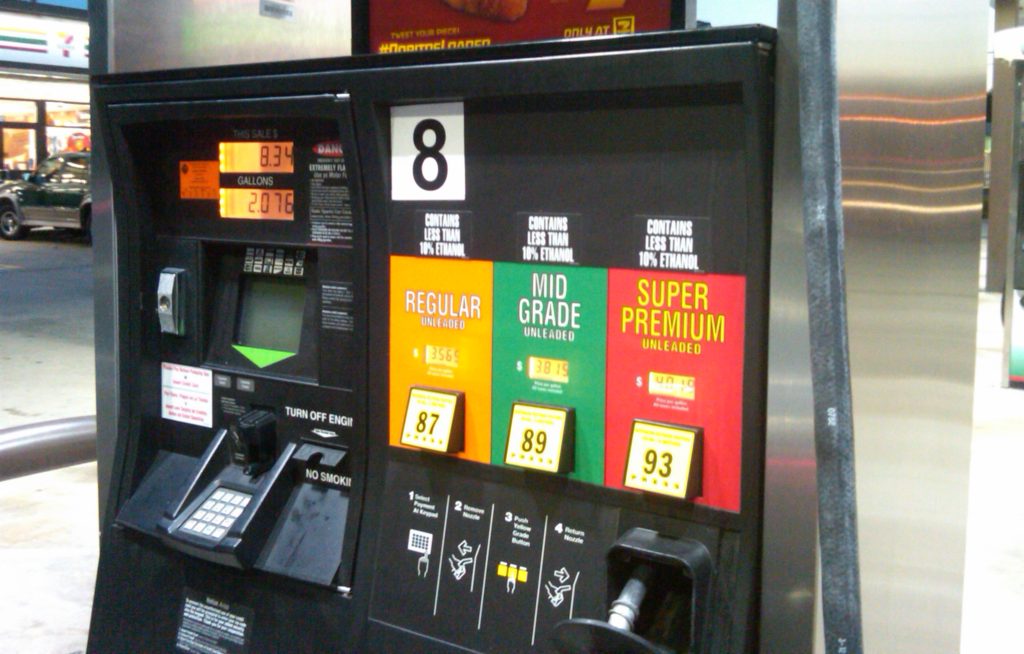
Looking to save fuel while traveling in your RV? Simple changes like properly inflating your tires, slowing down on the highway, reducing unnecessary weight, and using fuel price apps can significantly improve your miles per gallon. These practical RV fuel-saving tips help you spend less at the pump and more time enjoying your trip.
1. Properly Inflate Your Tires
Keeping your tires properly inflated is one of the easiest ways to improve fuel economy. Underinflated tires create more rolling resistance, which forces your engine to work harder.
Proper tire pressure can improve gas mileage by more than 3 percent, while also increasing tire lifespan and improving safety.
2. Avoid Gas Stations Near Major Highways
Gas stations located directly off interstate exits are often more expensive. The higher property costs in these areas typically translate to higher prices at the pump.
If you have the time, drive a mile or two into town. Even a short detour can lead to noticeably lower fuel prices.
3. Fill Up Near State Lines
If you’re traveling near a state border, keep an eye out for fuel stations nearby. Many stations near state lines compete for travelers who might otherwise fill up in another state, which can sometimes lead to lower prices.
4. Use the GasBuddy App
One of the best tools for finding affordable fuel while traveling is the GasBuddy app.
GasBuddy lets you:
- Compare nearby fuel prices
- Search by fuel type or brand
- See real-time user updates
When we traveled through Texas after the massive winter freeze, GasBuddy reviews helped us identify stations that still had fuel available. It was incredibly helpful during a difficult situation.
5. Take Advantage of Fuel Savings Cards
Most major fuel chains offer rewards or savings programs that provide discounts per gallon.
Yes, it might mean carrying a few extra cards, but the savings can add up—especially on longer RV trips.
If you drive a diesel RV, you may also want to look into programs like the TSD Logistics fuel card, which many RVers use to save on diesel at truck stops.
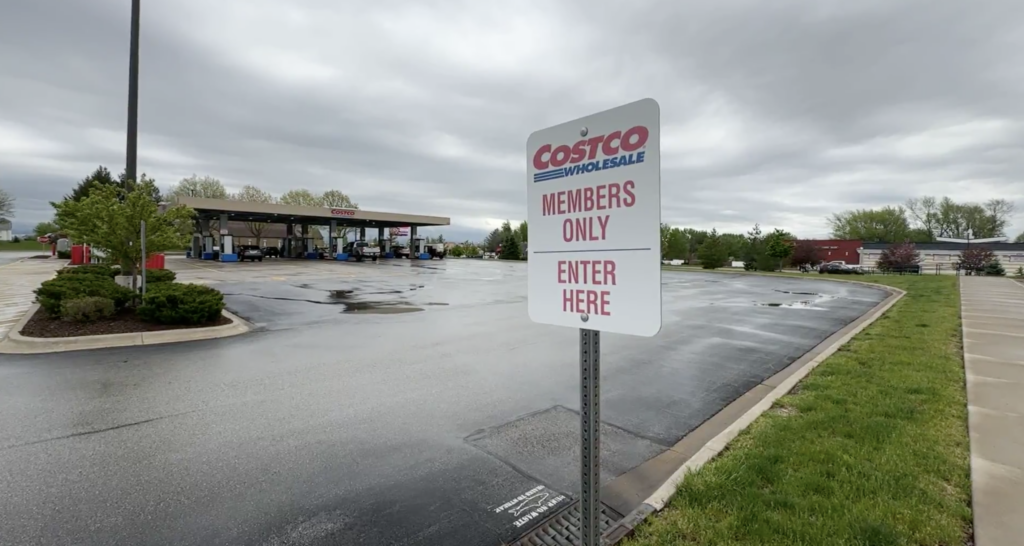
6. Consider Fueling at Costco
For many RV travelers, a Costco membership can easily pay for itself in fuel savings alone.
Costco fuel is often 20–40 cents cheaper per gallon than nearby stations. If your travel route regularly passes near Costco locations, the savings can be significant over time.
7. Slow Down
Driving a little slower can have a big impact on fuel economy.
Most vehicles reach peak fuel efficiency below highway speeds, and fuel economy often drops quickly once you exceed 60 mph.
For example, the difference between 70 mph and 63 mph can improve fuel economy by around 10 percent.
Slowing down slightly can make a noticeable difference in fuel costs over the course of a long trip.
8. Avoid Cruise Control on Hills
Cruise control works great on flat highways, but it can be inefficient in hilly terrain.
Cruise control often accelerates aggressively to maintain speed while climbing a hill, which burns extra fuel. Instead, try gradually accelerating before reaching the hill and letting your speed naturally adjust while climbing.
9. Don’t Idle Your Engine
Letting your engine idle wastes fuel.
Even on cold mornings, modern engines typically don’t need extended warm-up periods. Idling simply burns fuel without moving you any closer to your destination.
10. Reduce Unnecessary Braking
No—we’re not suggesting you stop using your brakes entirely. But reducing unnecessary braking can help improve fuel efficiency.
Try to anticipate traffic lights and traffic flow. If you maintain the speed limit, many traffic lights are timed to keep you moving through green lights.
Watching pedestrian signals and traffic patterns can help you adjust speed early and avoid coming to a complete stop whenever possible. Since accelerating from a stop requires the most fuel, keeping your momentum helps save gas.
Bonus Tip: Reduce Unnecessary Weight
The heavier your RV is, the harder your engine has to work—and that means more fuel burned.
Take a little time before each trip to remove items you don’t actually need. Extra gear, tools, and supplies can add up quickly, especially over the course of a long season of travel.
Water weight is another big factor. Water weighs about 8.3 pounds per gallon, so traveling with full tanks can add hundreds of extra pounds.
When possible:
- Travel with minimal fresh water
- Dump your grey and black tanks before leaving
- Only carry full tanks when necessary for boondocking or long travel stretches
Reducing unnecessary weight helps improve fuel economy, reduces strain on your RV, and can even improve handling on the road.
Small changes to driving habits and fueling strategies can make a big difference over time. With these fuel-saving tips, you can spend less money at the pump and more money enjoying your next RV adventure..