The National Park Service has finalized a major update to its rules governing electric scooters, hoverboards, Segways and a growing assortment of small electric transportation devices.
The new rule establishes an entirely new regulatory category for what the Park Service calls “powered micromobility devices,” and it changes both where those devices may be used and how individual parks can decide to allow them.
Powered micromobility devices will now be prohibited unless the individual park has specifically designated a location for their use. At the same time, park superintendents will have significantly more authority to open appropriate sidewalks, paths, trails and other developed areas to them without going through the federal rulemaking process previously required in many circumstances.
That creates a park-by-park system that could eventually make these devices much more common in some national parks while leaving them effectively prohibited in others.
Why the Park Service Changed the Rules
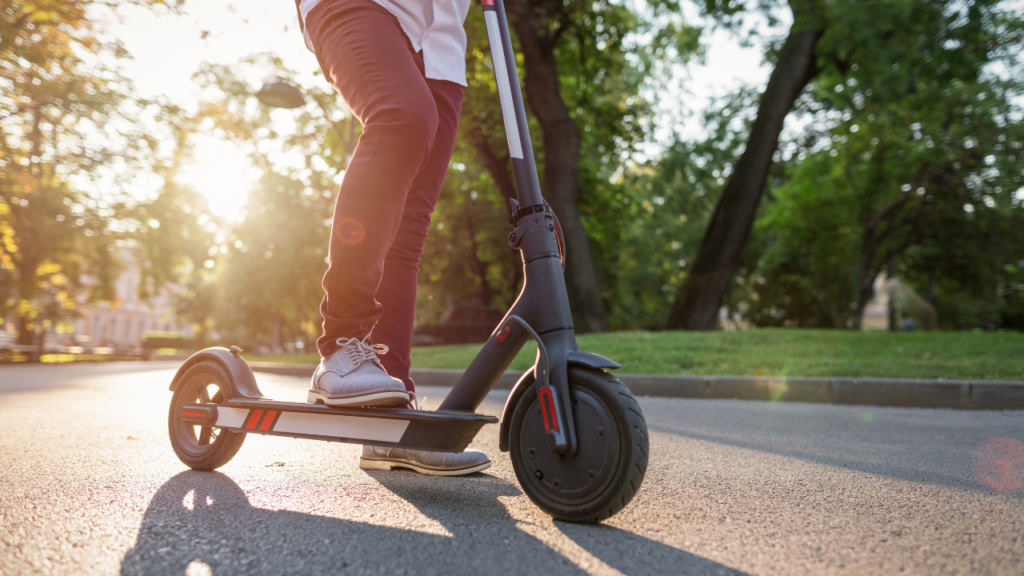
Until now, the National Park Service essentially treated powered devices such as e-scooters as motor vehicles.
Under the old definition, almost anything self-propelled that wasn’t specifically excluded could technically fall into the same regulatory category as a car or truck. That meant an electric scooter weighing 40 pounds was generally subject to regulations designed for vehicles weighing thousands of pounds. The result was a strange mismatch.
Because motor vehicles are generally restricted to park roads and parking areas, an e-scooter could be legal on a roadway filled with cars but prohibited on a nearby paved path that might be considerably more appropriate for a small, low-speed device.
The Park Service acknowledges exactly that problem in the final rule. It says the existing regulations were simultaneously too restrictive off park roads and too permissive on them.
The new regulation separates these devices from motor vehicles entirely.
What Counts as a “Powered Micromobility Device”?
The new rule defines a powered micromobility device as a human-operated, self-propelled device weighing less than 150 pounds that does not have an internal combustion engine.
That definition is deliberately broad.
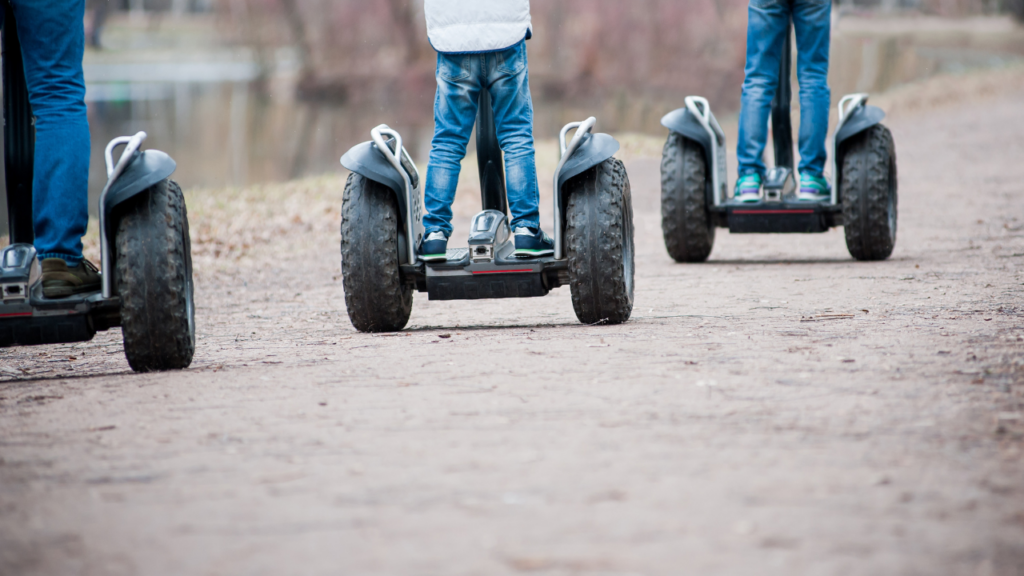
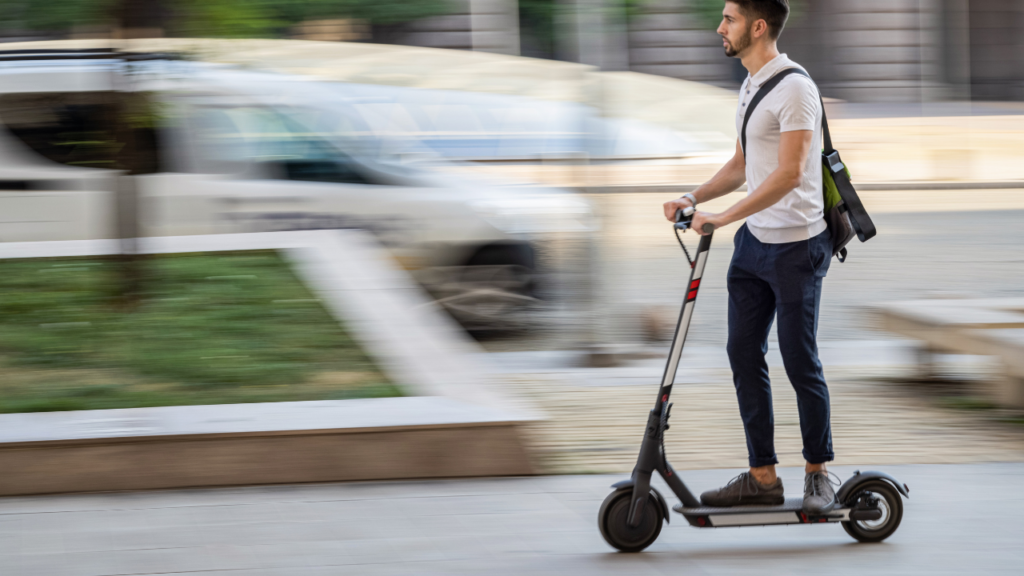
It includes common devices such as electric scooters and Segways, but the Park Service says it can also include electric skateboards, electric skates, electric unicycles, hoverboards and other self-balancing electric devices.
It does not include e-bikes. Electric bicycles already have their own National Park Service regulations and will continue to be governed separately.
It also excludes motorized wheelchairs, snowmobiles, vessels and entirely human-powered devices such as ordinary skateboards, roller skates and kick scooters.
There is no maximum speed or physical size built into the new definition, although individual superintendents may impose limits on speed, weight, size or device type.
The Biggest Change: Scooters Are Now Prohibited Unless a Park Allows Them
This may be the most easily misunderstood part of the new regulation. The rule doesn’t establish a nationwide list of places where e-scooters are legal: It does almost the opposite.
The new regulation says: “Operating a powered micromobility device is prohibited except in designated locations.”
That means each national park unit must make an affirmative decision about where these devices can be used. And that even applies to roads and parking lots.
The Park Service acknowledges that this could cause some short-term changes in places where scooters are currently used until individual superintendents formally designate those areas. However, NPS says it does not expect dramatic changes overall and anticipates that many parks with significant existing scooter use—particularly urban park units—will choose to continue allowing similar levels of use.
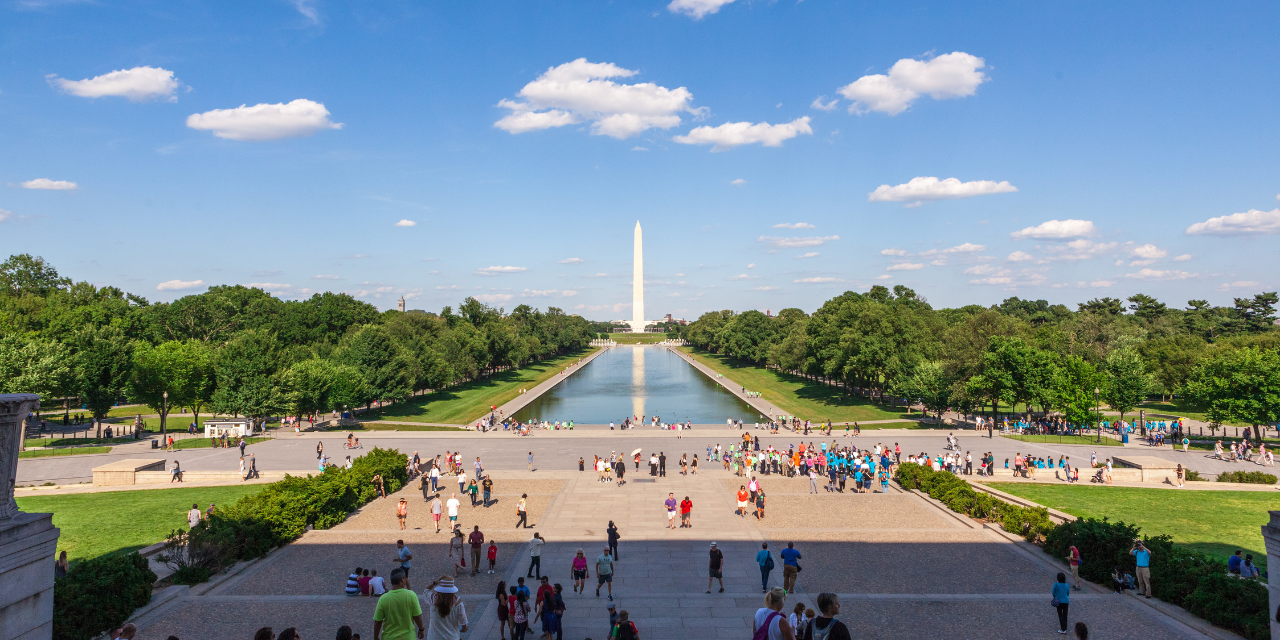
The National Park Service system is much broader than the 63 major national parks, and includes many urban areas where micromobility devices are common, such as the Golden Gate National Recreation Area, which includes most of the land and walkways surrounding the Golden Gate Bridge. Much of Washington, DC’s walkways through and around the National Mall and the many memorials are managed by the National Park Service. The thousands of National Park Service campgrounds across the country will also be affected by the rule.
Parks Can Now Open Sidewalks, Paths and Some Trails Much More Easily
While eScooters and other mobility devices will now prohibited by default, superintendents now have considerably more flexibility to decide where they should be permitted.
The ruling will not allow any of the affected devices on most dirt trails, but a superintendent can designate locations that are currently—or have previously been—improved using “artificial or processed materials.”
That includes gravel, asphalt, concrete, steel rail lines, wooden boards, soil cement and resin-based materials.
Potential locations specifically identified by NPS include park roads, parking areas, administrative roads and paved or gravel sidewalks and paths.
In many cases, a superintendent can make that designation through the park’s superintendent’s compendium after providing public notice rather than going through a full federal regulatory process.
A surface doesn’t necessarily have to look developed today. The Park Service explicitly says a location that was improved in the past can qualify. It gives the example of a natural-surface trail located on an old rail line.
So this rule potentially creates a pathway for electric scooters and similar devices to be allowed on some currently natural-surface trails, provided those locations were previously improved with artificial or processed materials. That does not mean those trails automatically open. The superintendent still has to affirmatively designate them.
Truly Undeveloped Terrain Requires Federal Rulemaking
There is a much higher barrier when a park wants to allow these devices somewhere that has never been improved using artificial or processed material. In that situation, the National Park Service must go through formal rulemaking in the Federal Register before powered micromobility devices can be allowed there.
Formal rulemaking can also be required for other proposed designations if the decision is highly controversial or significant enough to meet existing NPS regulatory standards.
They’re Completely Prohibited in Designated Wilderness
There is an even firmer restriction for federally designated wilderness.
The new rule prohibits not merely operating a powered micromobility device in congressionally designated wilderness but possessing one there, unless otherwise permitted under federal law. That restriction parallels existing National Park Service rules for bicycles and e-bikes and stems from the Wilderness Act’s prohibition on mechanical transport.
Individual Parks Can Set Their Own Restrictions
Even after a park decides to allow powered micromobility devices somewhere, Superintendents may impose additional restrictions. That could include limits on speed, weight, physical size, device type, location, time of day or season.
For example, a superintendent could allow electric scooters but prohibit larger Segway-style devices on a narrow path. A park could establish a low scooter speed limit in a congested pedestrian area. It could also require scooters to be parked in certain locations.
Where NPS regulations or park-specific rules don’t address an issue, applicable state and local laws will generally apply. That means things such as helmet requirements, age restrictions and licensing rules could vary depending on where the park is located.
Operators will also be subject to several existing National Park Service traffic-safety regulations. Among other things, riders must yield to pedestrians and saddle animals, avoid unsafe operation or unreasonable speeds, comply with traffic-control devices, obey applicable speed limits and restrictions on operating under the influence, and use required lights or reflectors during low-visibility conditions.
What About People With Disabilities?
This new rule does not change federal accessibility protections governing mobility devices used by people with disabilities. An e-scooter or Segway may qualify as an accessibility device under federal law depending on how and why it is being used.
The Park Service specifically states that this regulation does not determine when a “power-driven mobility device” must be accommodated under disability law. Those decisions will continue to be handled separately under federal accessibility requirements.
Rental Scooter Companies Still Need Permission
Companies operating shared fleets inside National Park Service areas (such as Lime and Bird scooter rentals) still need a commercial use authorization or concession agreement. Those agreements can require geofencing, designated scooter parking corrals, maintenance standards, battery procedures and penalties for improperly parked or abandoned devices.
What This Means for National Park Visitors
For visitors, the biggest takeaway is that there will no longer be one easy assumption about where an electric scooter, hoverboard or similar device can be used in a national park. Visitors traveling with one of these devices will therefore need to check the rules for the specific park they’re visiting and posted restrictions.
And for urban National Park Service sites in particular—the National Mall, Golden Gate National Recreation Area and other places where visitors already arrive on rented scooters—the rule finally gives park managers a regulatory framework that more closely matches what is happening on the ground.
The final rule is scheduled for publication in the Federal Register on August 12, 2026, and the prepublication version states that it becomes effective 30 days after publication. If published as scheduled, that would make the effective date September 11, 2026.