Update: The National Park Service has announced this project will not move forward. You can read the full story here.
If Big Bend National Park is on your travel list for 2026 or 2027, there is one major change you will want to know about before you go.
The National Park Service says the Chisos Basin will close starting May 1, 2026, as the park begins a major construction project expected to last up to two years. That means one of the most popular and developed parts of Big Bend will be off-limits for a significant period.
And this is not a small closure.
What’s Closing in the Chisos Basin
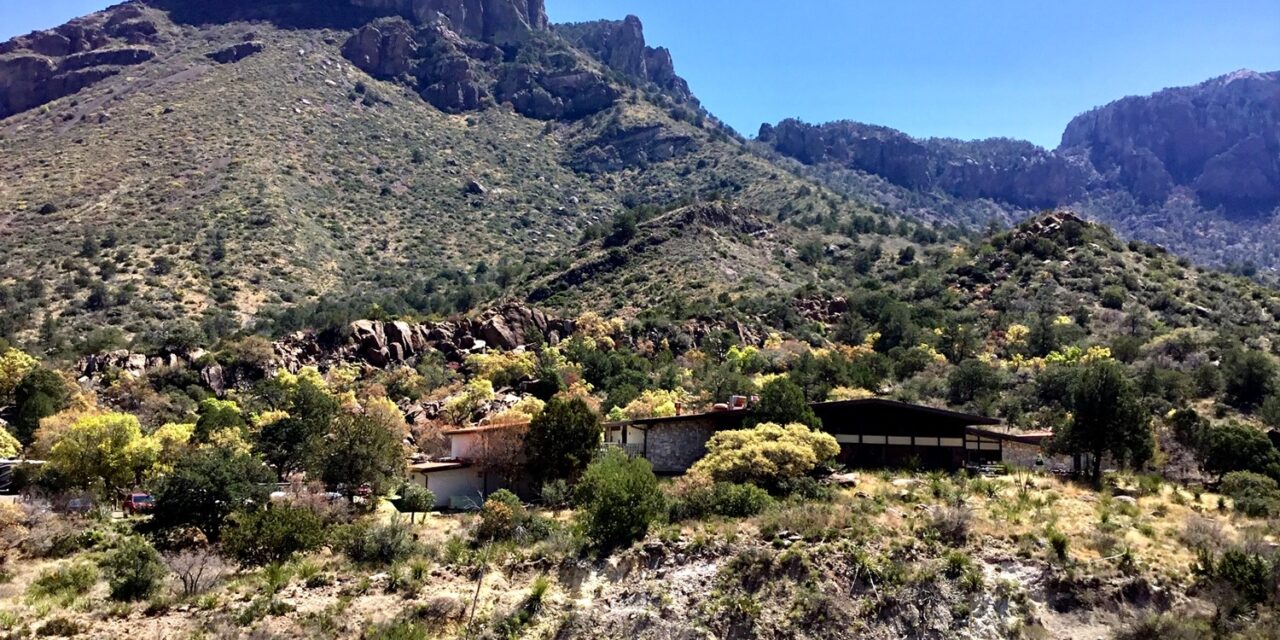
The Chisos Basin is home to some of Big Bend’s most popular visitor facilities, and all of them will be affected by the closure. That includes the Chisos Mountains Lodge, Basin Campground, restaurant, visitor center, camper store, and the only road into the basin.
Because all of that infrastructure sits in one tight area at the end of a narrow mountain road, park officials say there is really no way to keep the basin open safely while construction is underway.
For a lot of visitors, this is the heart of the park. It is where many people stay, where some of the most popular hikes begin, and where travelers go to experience Big Bend’s mountain scenery without a long backcountry approach.
Why Big Bend Is Shutting Down the Basin
At the center of the project is the replacement of the Chisos Mountains Lodge main building, which dates back to 1964. According to the park, decades of shifting clay soils under the building have caused major structural issues over time.
Rather than keep patching those problems, the National Park Service plans to rebuild the lodge from the ground up within the existing footprint. The project also includes major upgrades to water infrastructure in the basin, including systems that have been in place for decades and are well past their useful life.
This work is part of a broader investment in park infrastructure funded through the Great American Outdoors Act.
Which Trails Will Be Affected
For hikers, this is probably the biggest practical impact of the closure.
Some of Big Bend’s best-known trails will be inaccessible because they start in the basin. That includes Lost Mine Trail and Window Trail, two of the most popular hikes in the park.
Access to the higher Chisos backcountry, including routes that connect toward places like Emory Peak and the South Rim, will still be possible only from Blue Creek Trail or Juniper Canyon Trail. Those are much longer, tougher approaches, so they are not simple substitutes for the usual basin trailheads.
In other words, if your Big Bend plans were built around easy access to the Chisos Mountains, you will want to rethink that itinerary.
What Will Still Be Open at Big Bend
The good news is that Big Bend National Park itself is not closing.
Big Bend is enormous, covering more than 800,000 acres, and the vast majority of the park will remain open during the basin project. Visitors will still have access to scenic drives, river areas along the Rio Grande, campgrounds outside the basin, and more than 150 miles of hiking trails elsewhere in the park.
That means there will still be plenty to do. You can still explore the desert, drive the Ross Maxwell Scenic Drive, enjoy river views and paddling access, go wildlife watching, and take advantage of some of the darkest night skies in the country.
So while this is a major closure, it is not a reason to cross Big Bend off your list entirely.
What RVers Should Know Before Visiting
For RVers, this closure matters even more because the Chisos Basin is one of the most sought-after areas in the park.
The basin combines scenery, campground access, trailheads, and visitor services in one place, so losing that area changes how many travelers will plan their trip. It is also worth remembering that the Chisos Mountains Lodge is the only lodging inside Big Bend National Park, so visitors who normally stay there will need to look at alternatives.
That could mean camping elsewhere in the park, if available, or staying in nearby gateway communities like Terlingua or Study Butte.
The biggest takeaway here is simple: Big Bend will still be open, but the experience will be different. If you are planning a visit during 2026 or 2027, it will be important to map out your hikes, camping, and driving plans ahead of time and make sure they do not depend on basin access.
For travelers willing to adjust, there will still be a lot of Big Bend left to explore.
And don’t forget, whether you are heading to Big Bend or any fee-collecting National Park, you will need an America the Beautiful Pass. Purchasing the pass ahead of your arrival will save you precious time and money, especially if you plan to visit more than one park.
FAQ Section
Is Big Bend National Park closing in 2026?
No. Only the Chisos Basin area is scheduled to close beginning May 1, 2026. The rest of Big Bend National Park will remain open.
How long will the Chisos Basin be closed?
The closure is expected to last about two years, though some parts of the area could reopen sooner depending on construction progress.
What areas in Big Bend will be closed?
The closure includes Basin Road, the Chisos Mountains Lodge, Basin Campground, restaurant, visitor center, camper store, and surrounding trail access.
Will Lost Mine Trail and Window Trail be closed?
Yes. Those trails are accessed from the basin and will be unavailable during the closure.
Will the rest of Big Bend stay open?
Yes. Most of the park will remain open, including scenic drives, river access, hiking outside the basin, and camping in other areas.